Content with the tag information sharing

Slovenia’s case study examines how the country’s EU-aligned cybersecurity framework operates in practice, detailing its institutional setup, technology-transfer landscape, information-sharing arrangements, and the gradual evolution of its dual-use cybersecurity capabilities.
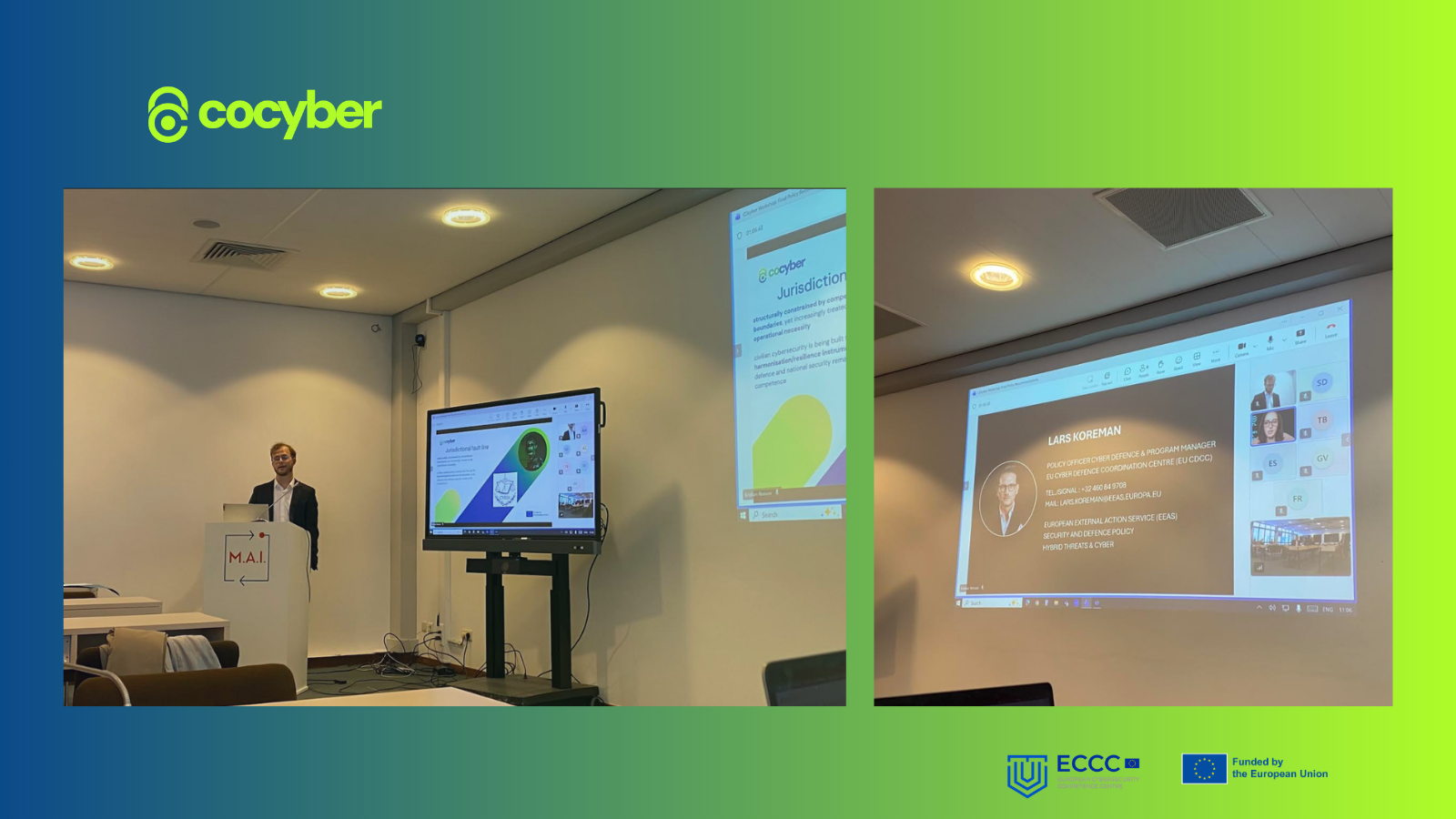
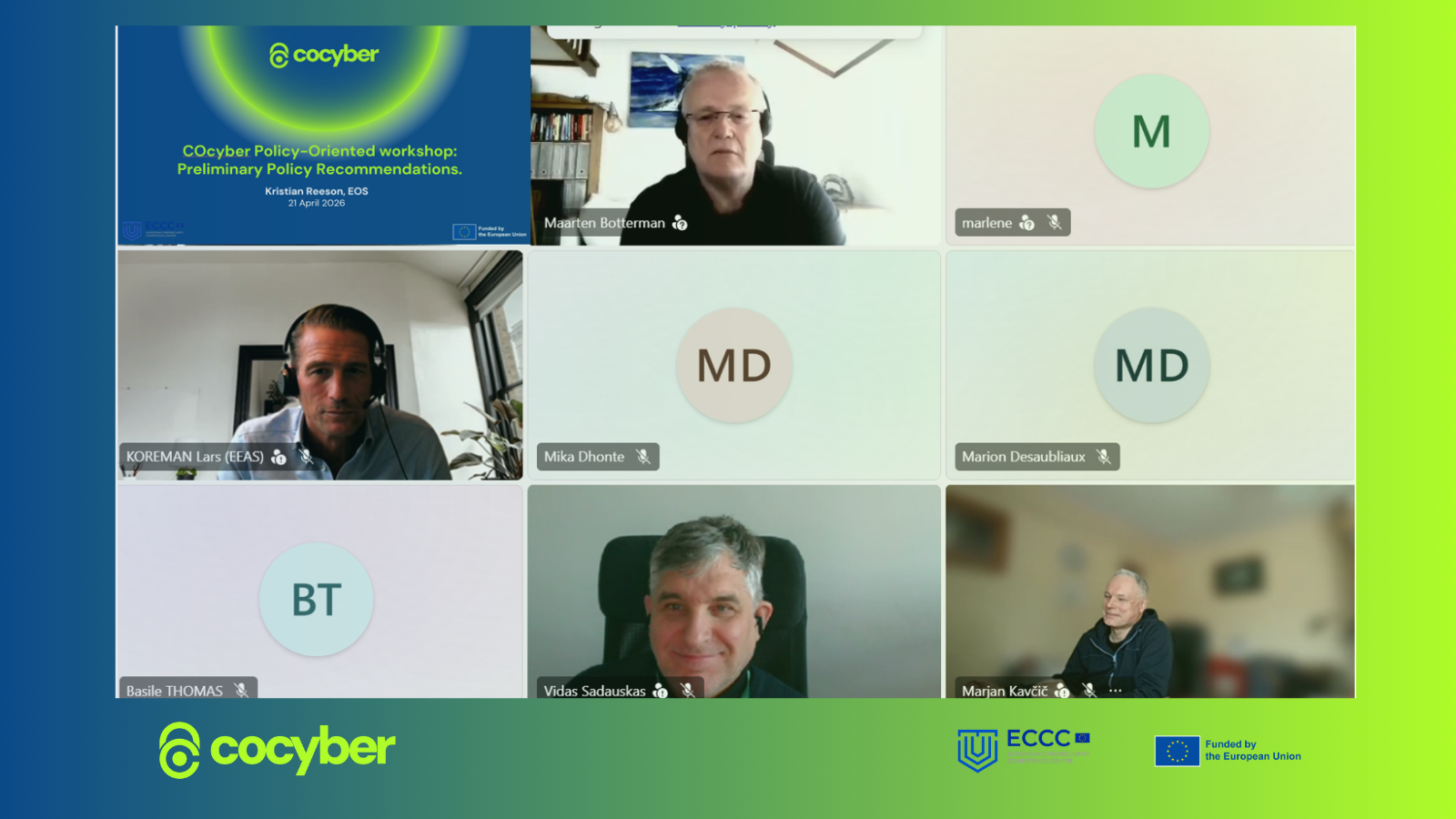
The COcyber Policy-Oriented Workshop on Preliminary Policy Recommendations advanced the project’s policy validation process by gathering cybersecurity stakeholders to refine practical recommendations for stronger civil–defence cyber cooperation in Europe.
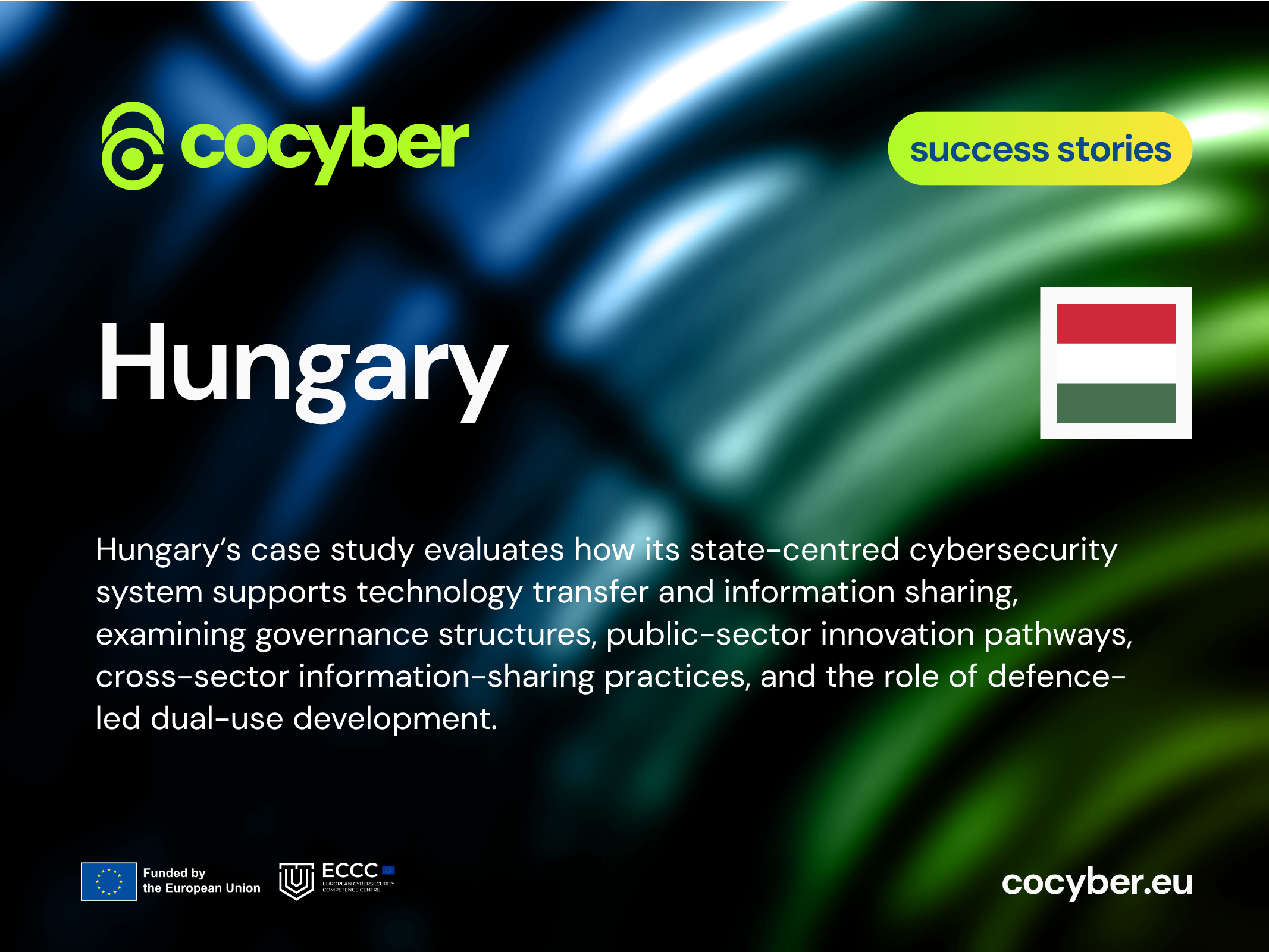
The Hungarian case study shows how cybersecurity technology and information transfer are shaped by a system where state coordination, legal frameworks, and defence priorities play a central role.
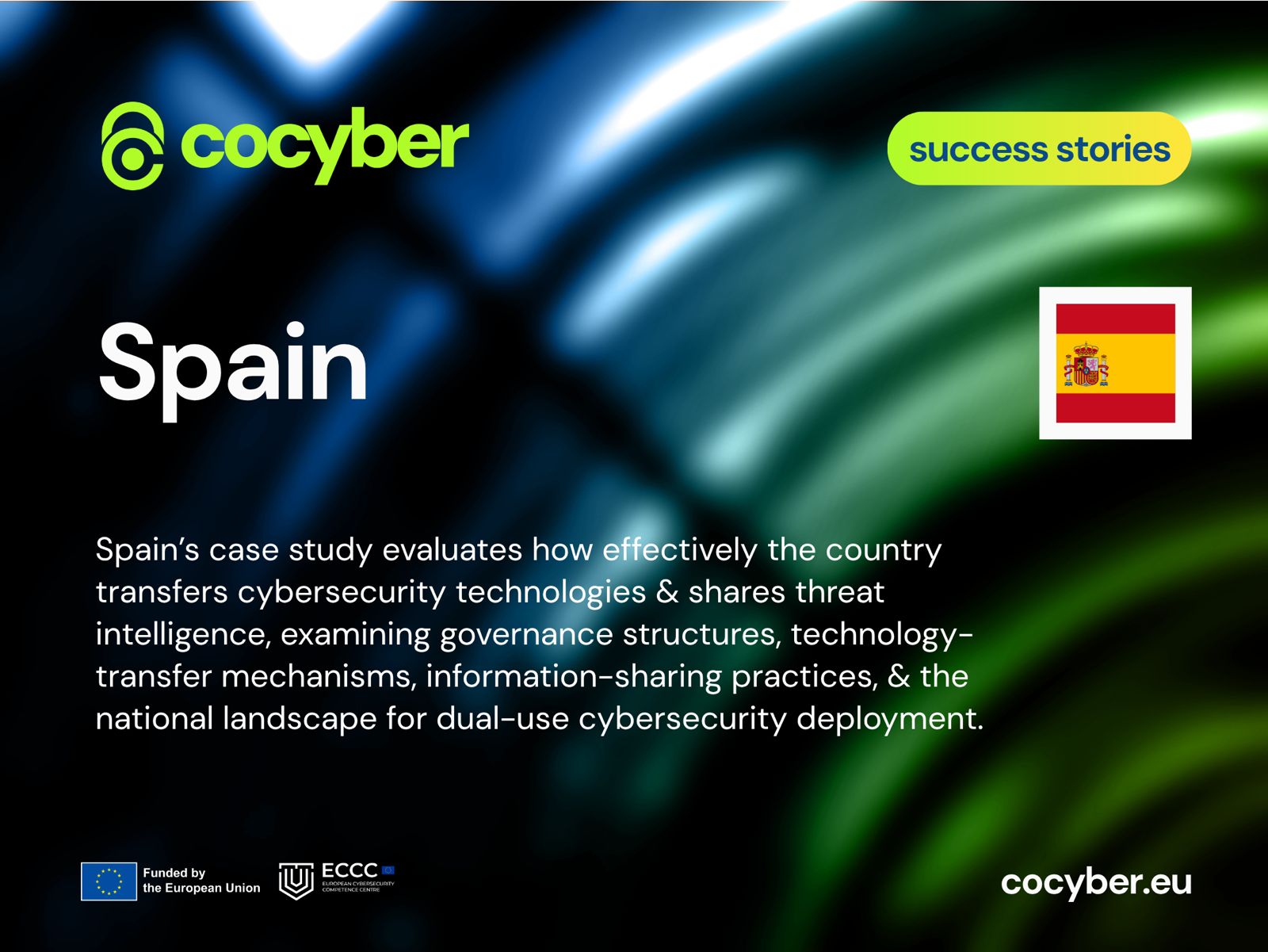
The Spanish case study shows how cybersecurity technology and information transfer are shaped by a mature but complex ecosystem, where national security, strategic coordination, innovation capacity, and industrial development all play an important role.
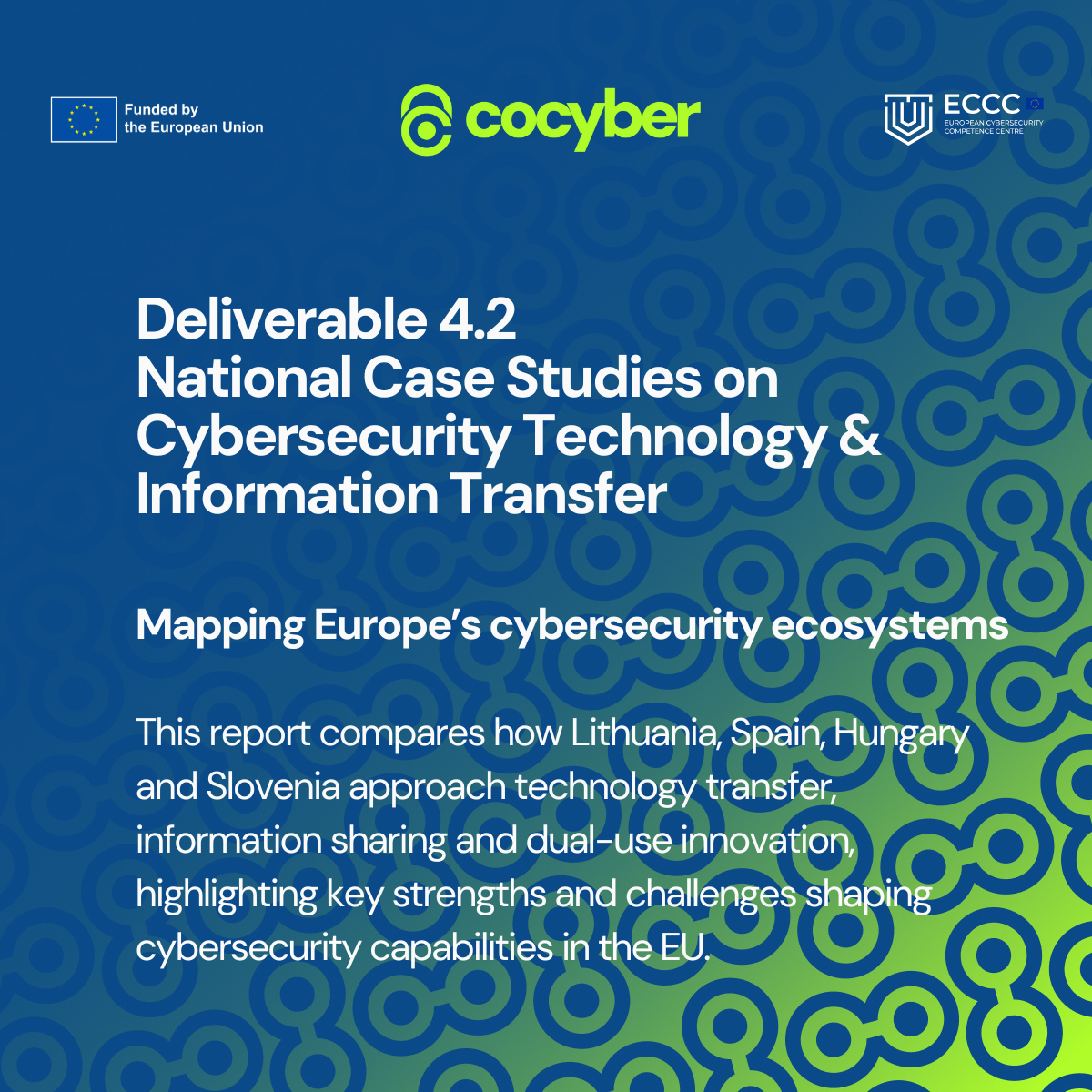
Deliverable D4.2 compares how Lithuania, Spain, Hungary and Slovenia organise cybersecurity technology transfer, information sharing and dual-use innovation, revealing significant differences in institutional maturity and national capabilities. The findings highlight the need for stronger governance alignment, improved trust frameworks and more coherent support for innovation across the EU.