Content with the tag CyberSecurity

COcyber’s success story on TELEMETRY highlights how trustworthy cybersecurity testing and vulnerability detection can strengthen IoT ecosystems, support secure connected devices, and contribute to more resilient digital infrastructures.
Slovenia’s case study examines how the country’s EU-aligned cybersecurity framework operates in practice, detailing its institutional setup, technology-transfer landscape, information-sharing arrangements, and the gradual evolution of its dual-use cybersecurity capabilities.
In this episode of Cyber Duality: A COcyber Podcast we explore how Europe can strengthen cooperation between civilian, defence and law enforcement actors in cybersecurity with insights from Giuseppe Zuffanti, Coordinator for Cyber Issues at the European Security and Defence College.
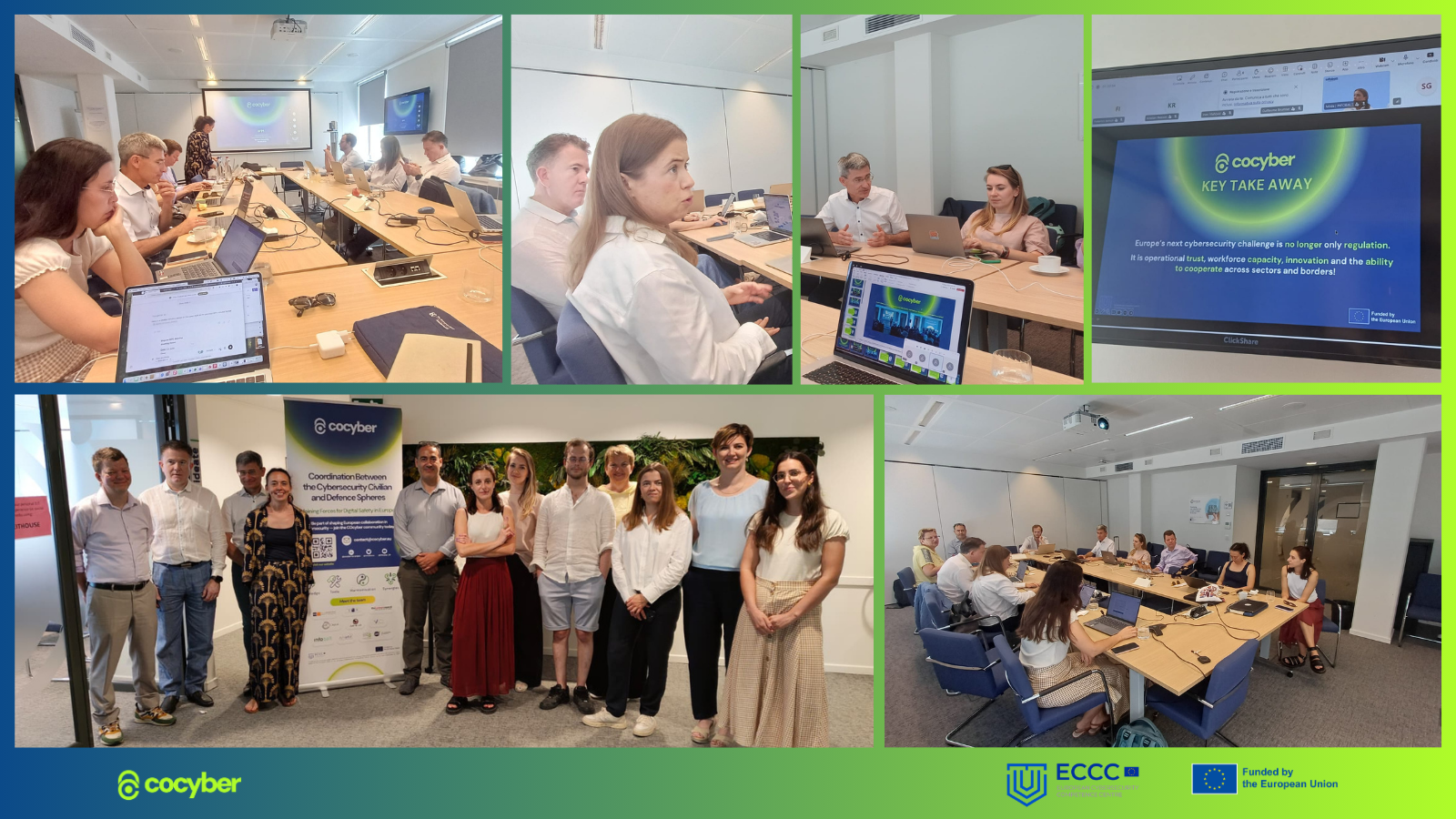
Held in Brussels on 22 April 2026, the COcyber roundtable brought together European cybersecurity stakeholders to define priorities for stronger civil–defence cooperation.
In this second episode, Luca Tagliaretti, Executive Director of the European Cybersecurity Competence Centre (ECCC), shares insights from his work at the centre of Europe’s cybersecurity ecosystem. He discusses current coordination gaps, strategic priorities, and the role of the ECCC in strengthening resilience, innovation, and technological sovereignty.
In this first episode of Cyber Duality: A COcyber Podcast we explore how Europe can better connect civilian and defence cybersecurity efforts with insights from Madhusanka Liyanage, an expert in telecom security and 5G/6G research.
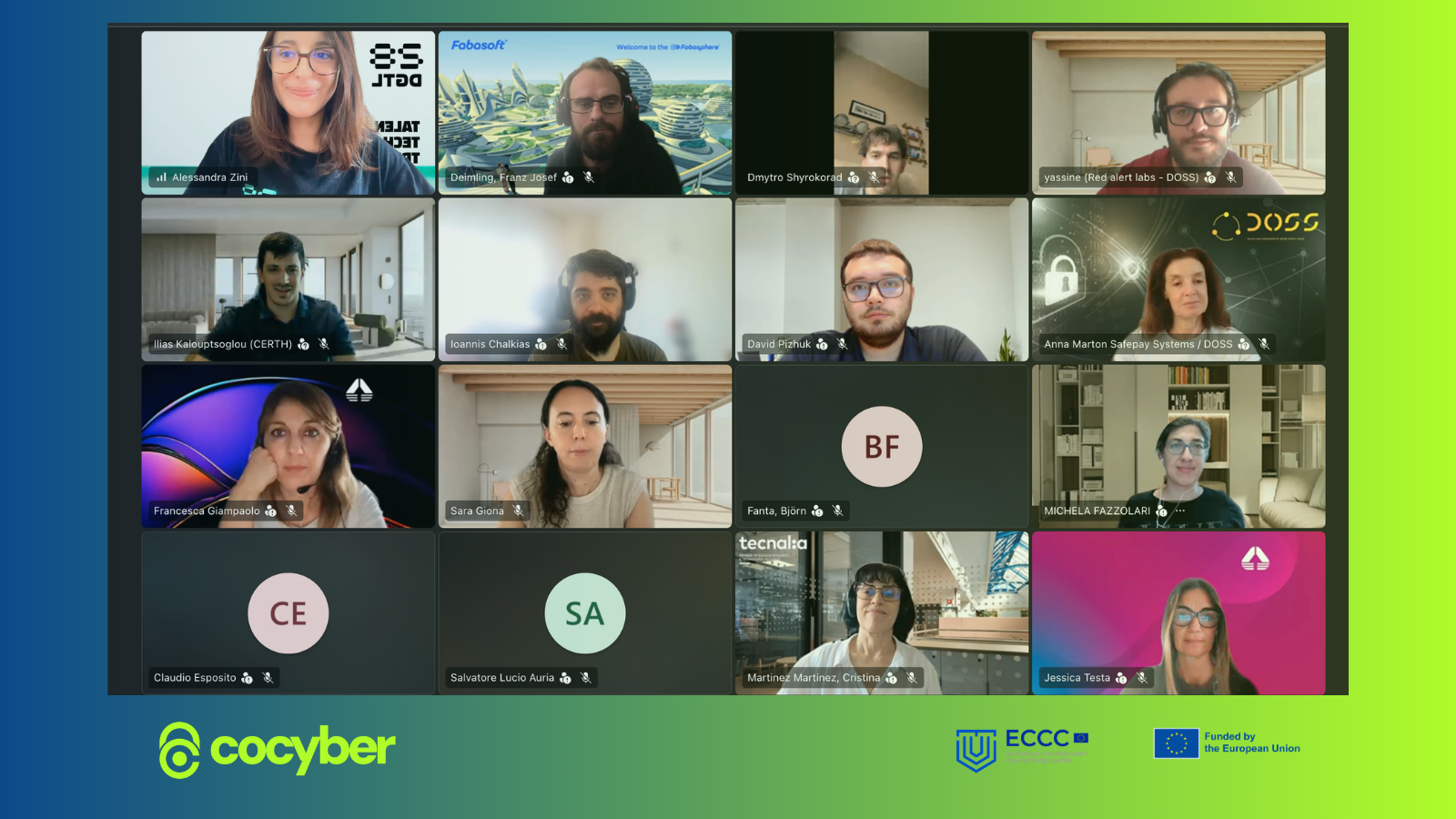
From April 24 to 26, 2025, COcyber’s AI Cybersecurity Deephack brought together cyber enthusiasts from academia, research and the start-up scene for an intense 48-hour challenge to answer one critical question: can artificial intelligence stop the next big phishing attack?
The Hungarian case study shows how cybersecurity technology and information transfer are shaped by a system where state coordination, legal frameworks, and defence priorities play a central role.
The Spanish case study shows how cybersecurity technology and information transfer are shaped by a mature but complex ecosystem, where national security, strategic coordination, innovation capacity, and industrial development all play an important role.
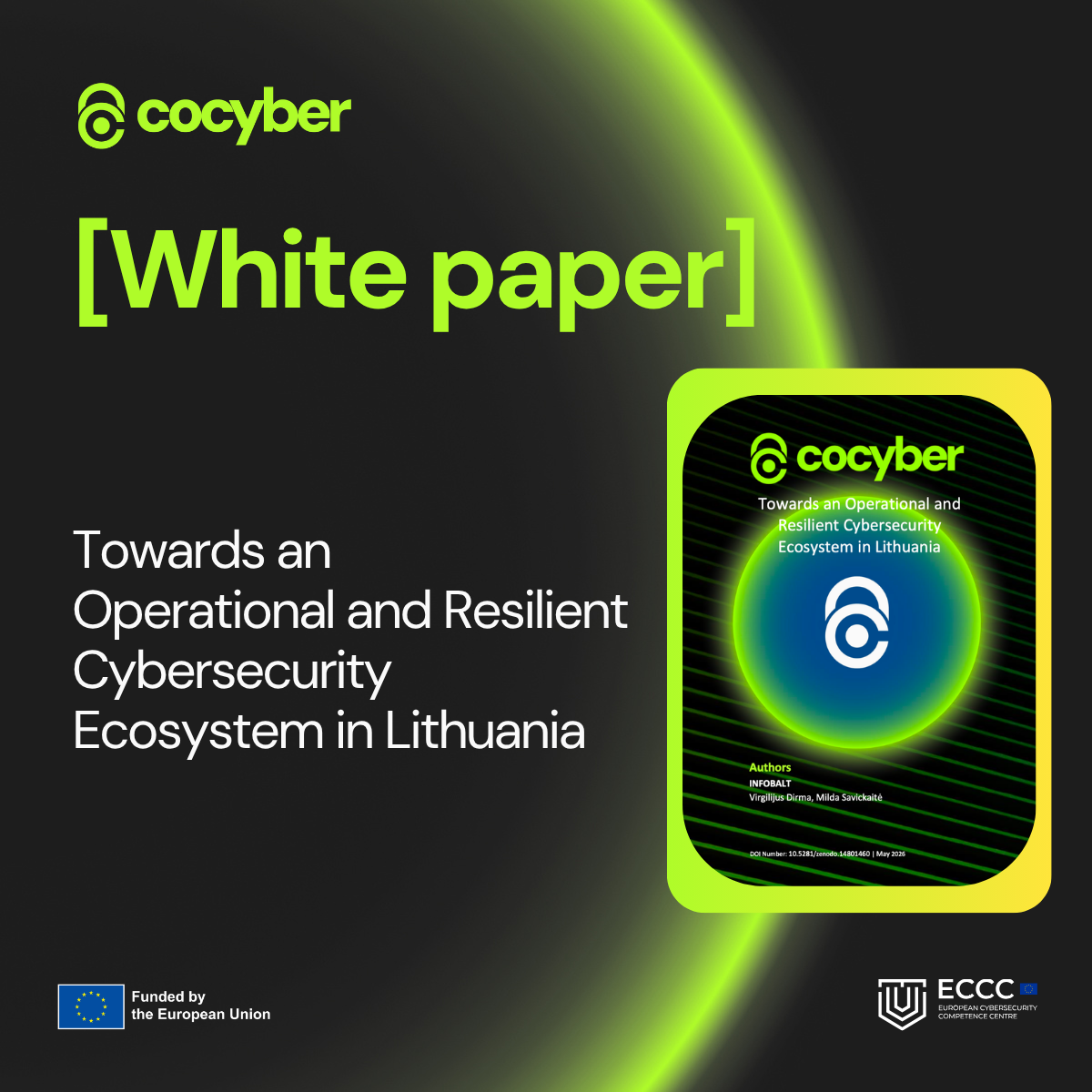
Lithuania’s case study shows how stronger coordination, clearer transfer pathways, and greater trust in information sharing can help turn cybersecurity innovation into practical national resilience.