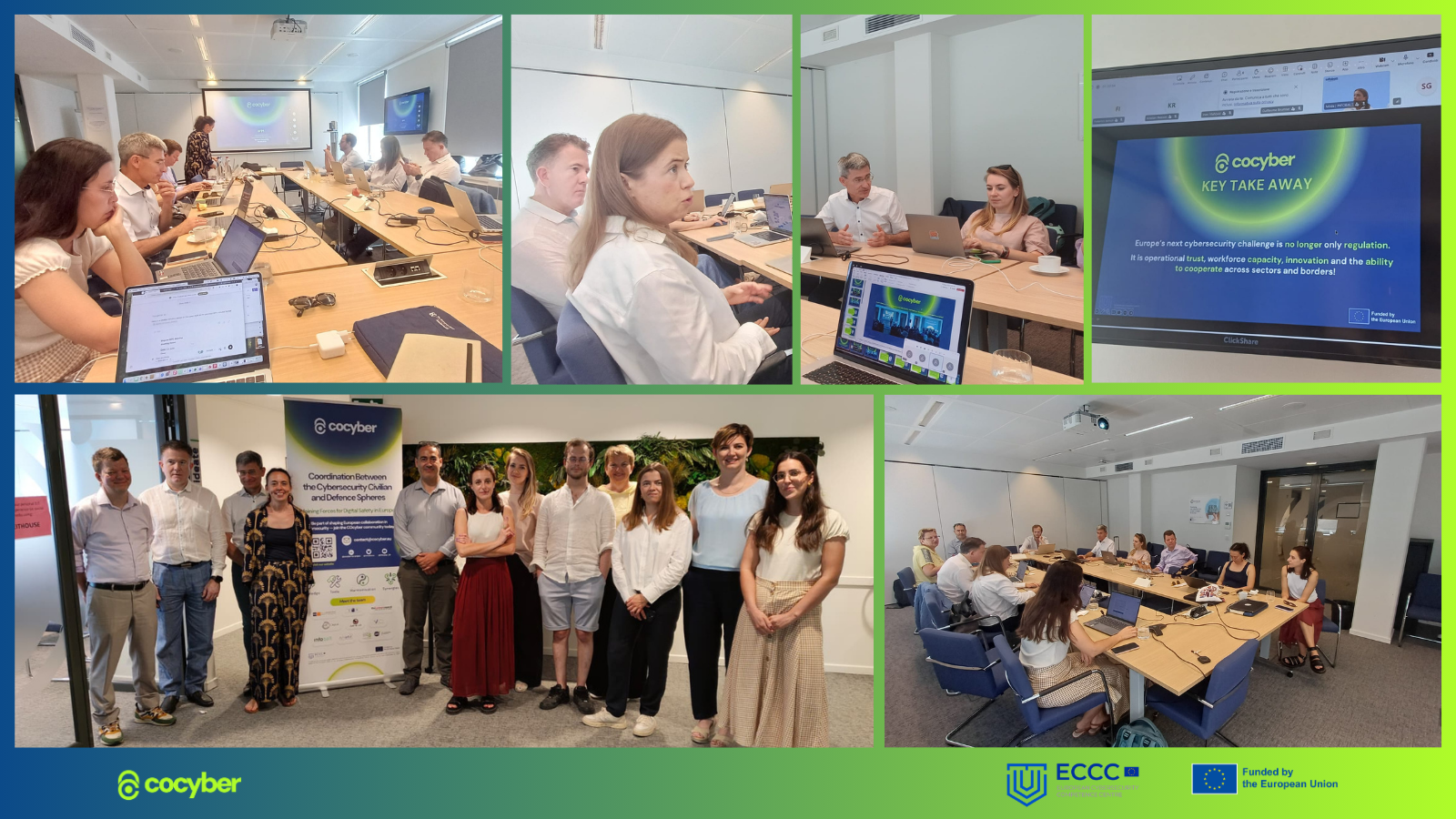
COcyber concluded two years of collaboration with its final General Assembly and Final Conference in Brussels, bringing partners and cybersecurity experts together to reflect on results, legacy and future cooperation. Discussions focused on Europe’s unified cyber shield, policy to practice, safeguarding democracy and dual-use cyber innovation.
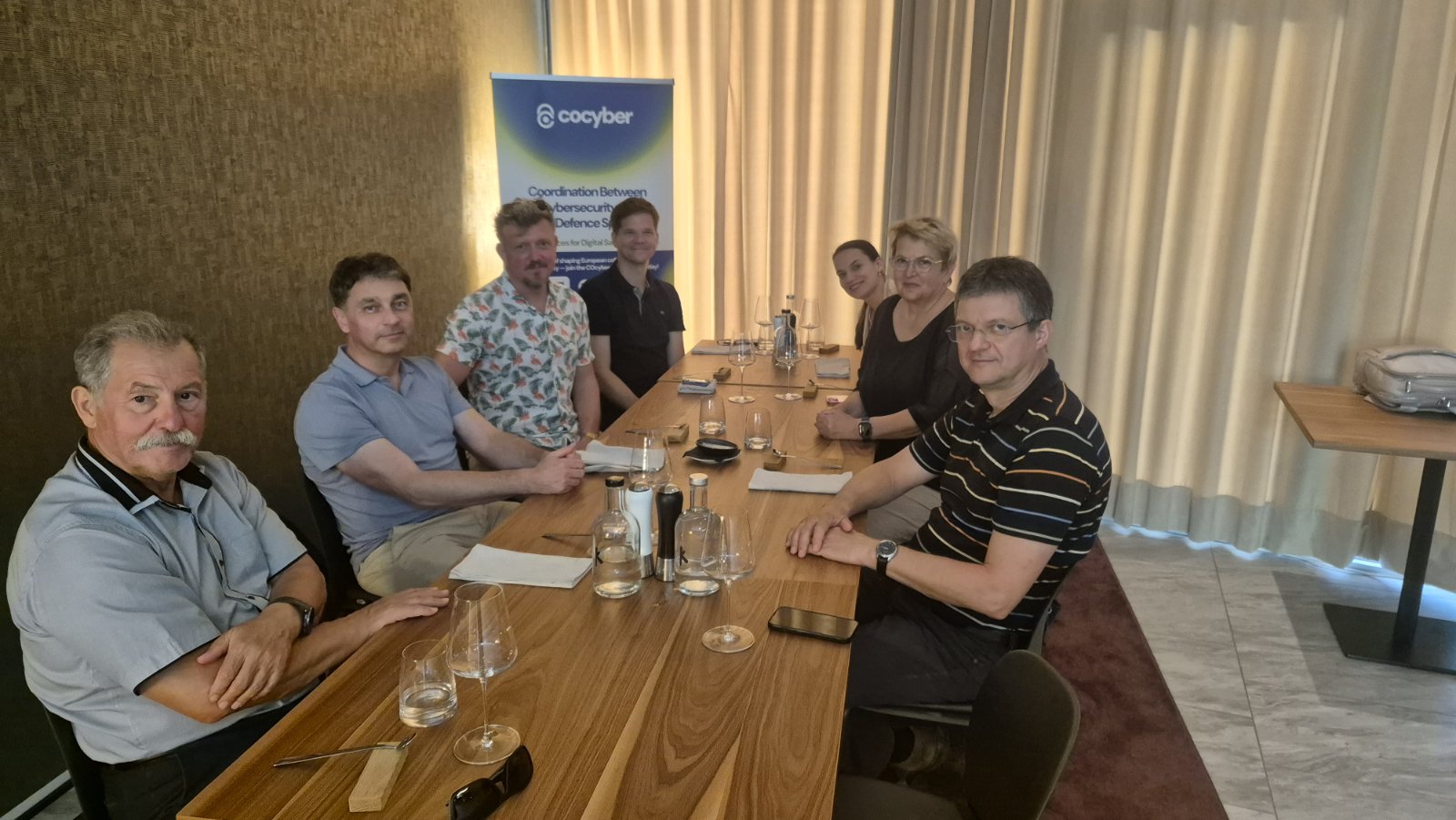
On 30 June 2026, seven representatives from the cybersecurity community gathered in Ljubljana for the COcyber Stakeholder Consultation: Legacy and Next Steps, marking the formal conclusion of COcyber activities in Slovenia.
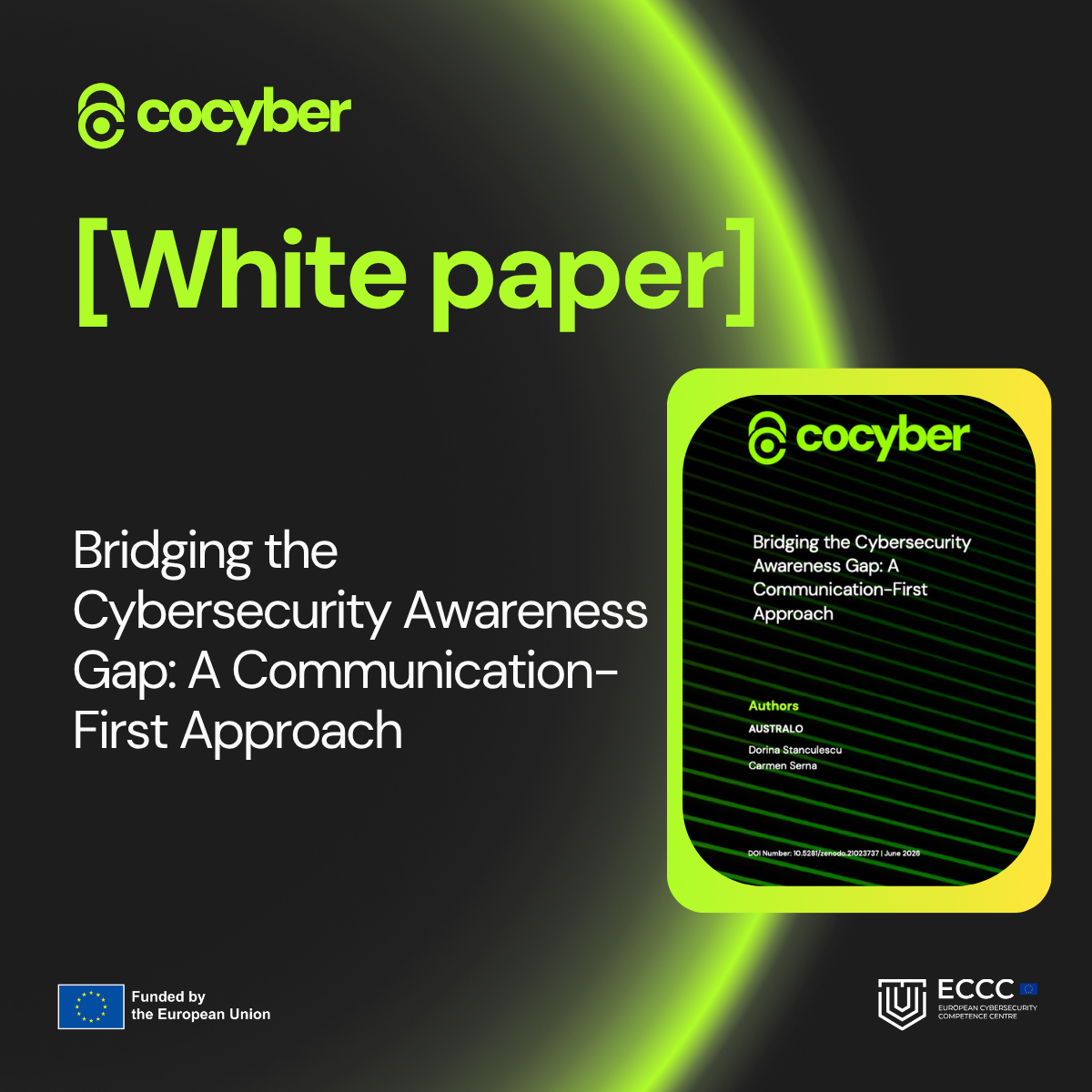
This AUSTRALO White Paper argues that closing the gap between policy ambition and real-world security outcomes requires treating awareness and communication as a strategic function. The paper examines why people are targeted and how social engineering exploits predictable patterns of trust, urgency, and authority to bypass even technically robust defences
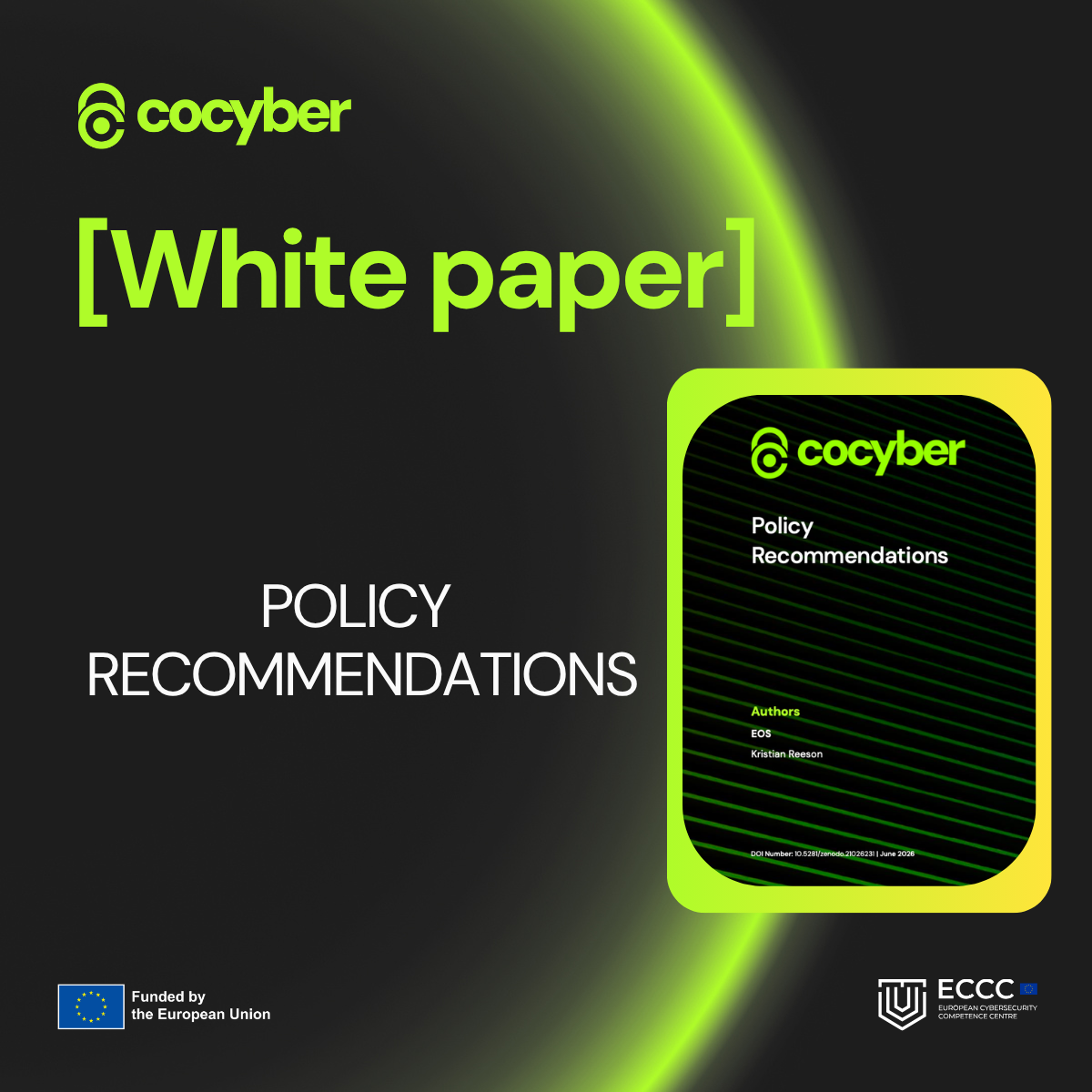
The EOS White paper argues that Europe's main challenge is no longer the lack of cybersecurity policies, but the difficulty of turning existing frameworks into cooperation, and provides a roadmap for strengthening cooperation between civilian and defence cybersecurity communities in Europe.
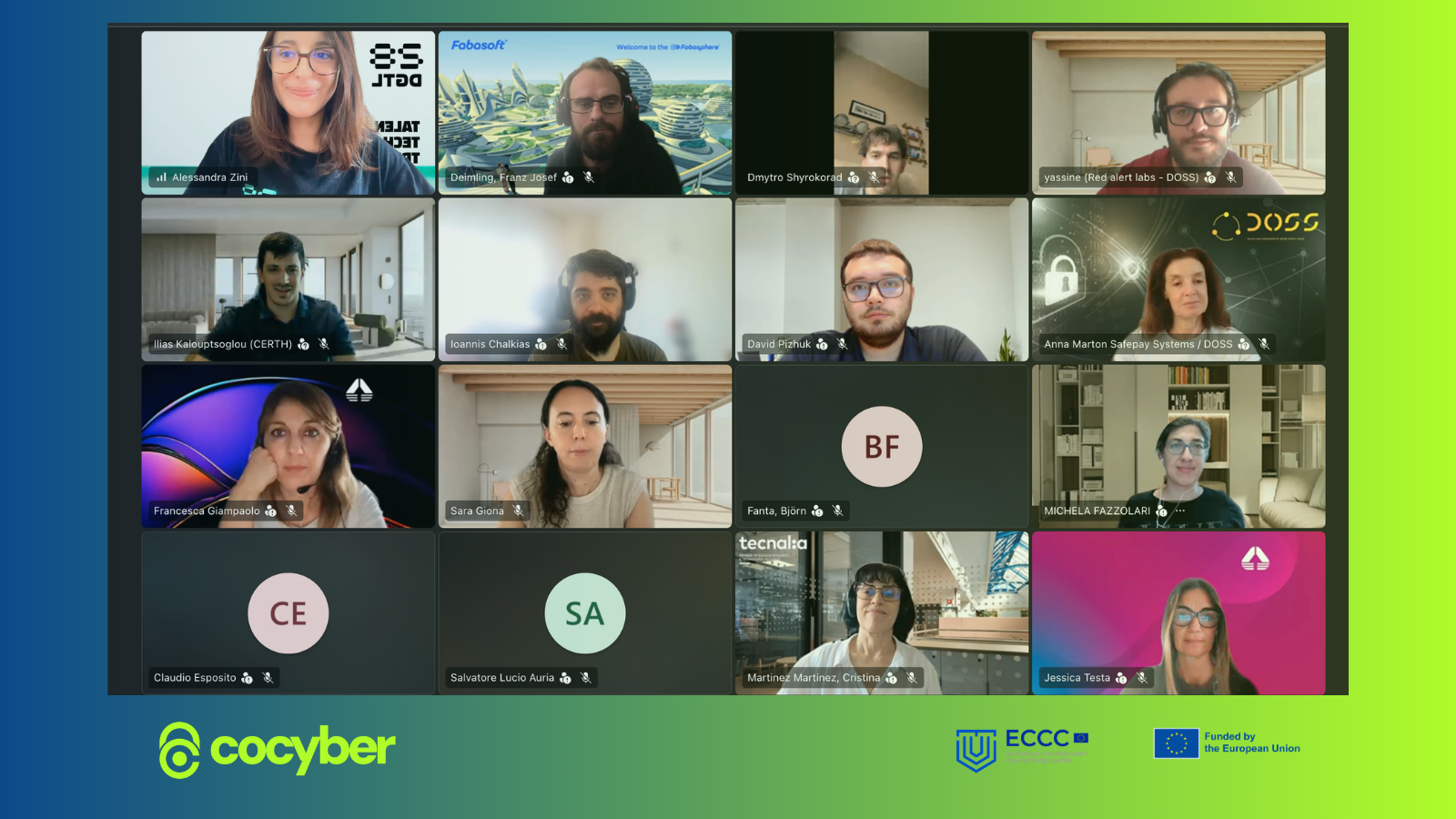
COcyber hosted a Cross Project Exploitation Workshop on 18 June 2026, bringing together six European cybersecurity projects to exchange on exploitation pathways, compliance requirements and opportunities for cross project synergies. The discussions will contribute to recommendations supporting stronger alignment between Key Exploitable Results and their path to impact.
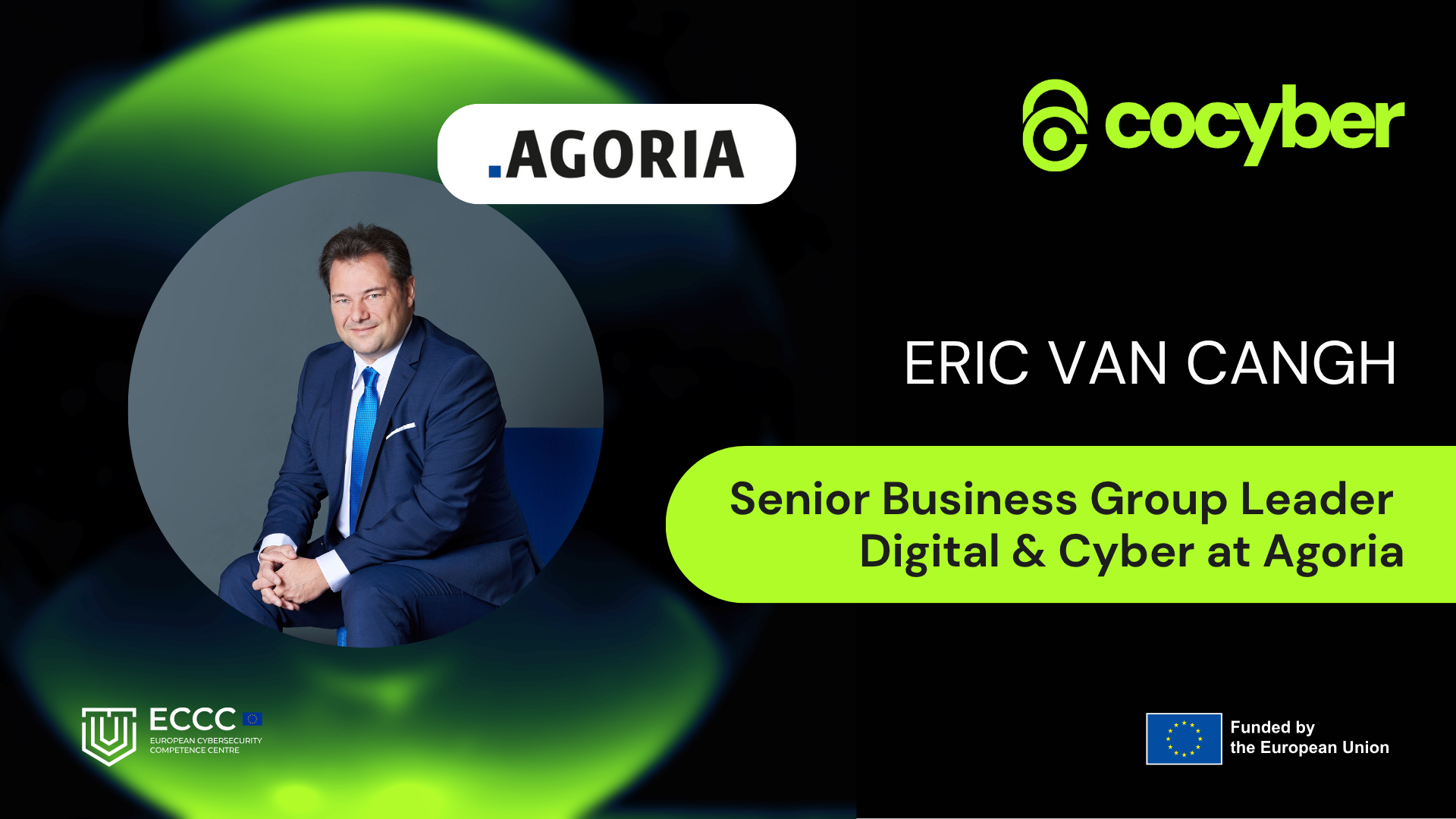
We spoke with the COcyber Batch #3 Ambassadors to reflect on their journey and gather their insights on Europe’s cybersecurity future. Eric Van Cangh brings expertise in cyber resilience, ecosystem building, and public–private cooperation, and values the ambassadorship for its strong network, exchanges, and shared commitment to civilian–defence collaboration.
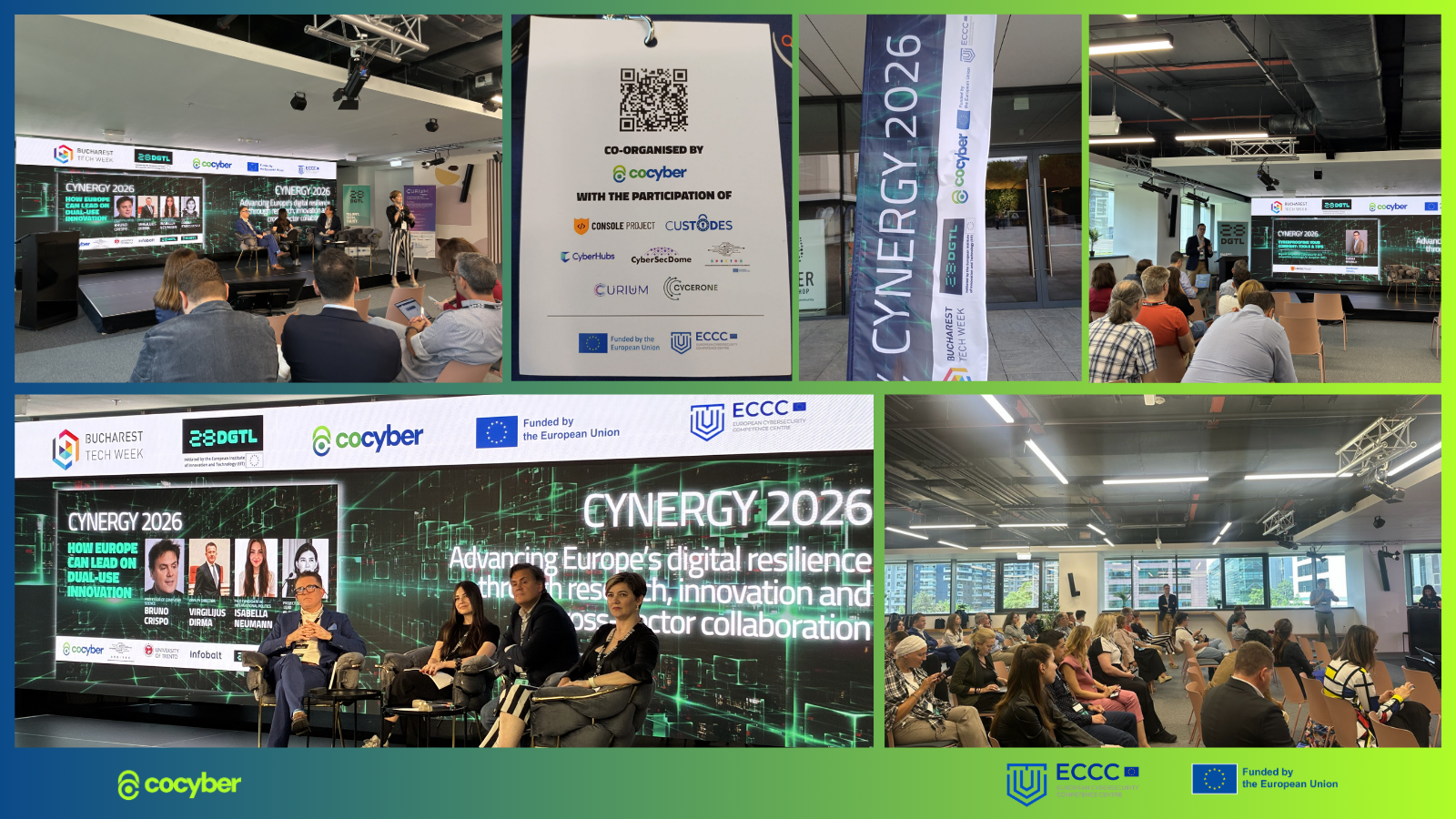
CYNERGY 2026 brought Europe’s cybersecurity community to Bucharest to exchange on digital resilience, skills, compliance and dual use innovation. COcyber contributed with the panel How Europe Can Lead on Dual Use Innovation, focusing on technology transfer, information sharing and civil defence cooperation.
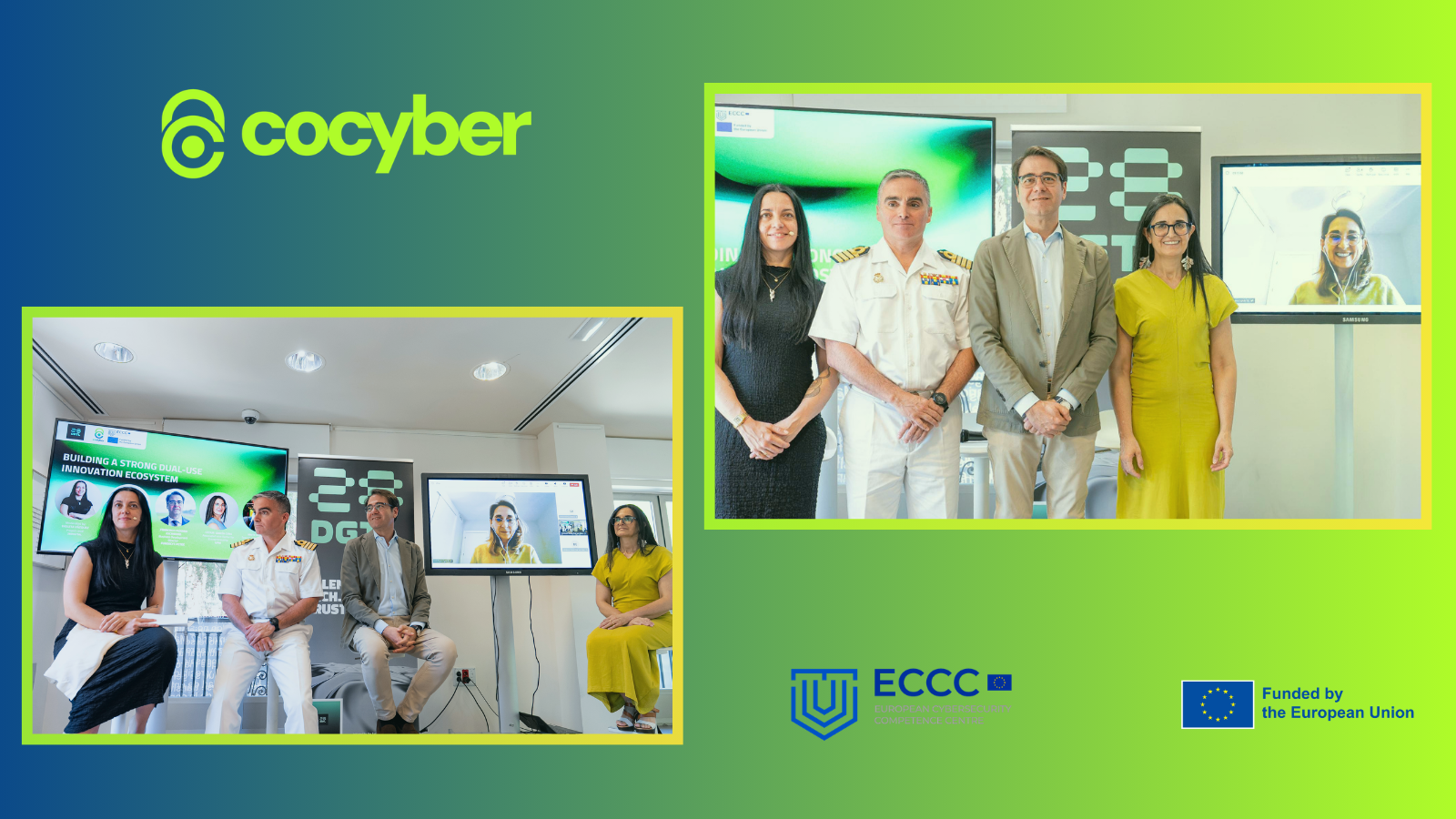
The 28DIGITAL Regional Committee and COcyber deep dive session brought together representatives from defence, academia, funding bodies and regional innovation ecosystems to discuss how the findings of the Spain National Case Study can help strengthen collaboration and support a resilient dual use innovation ecosystem.
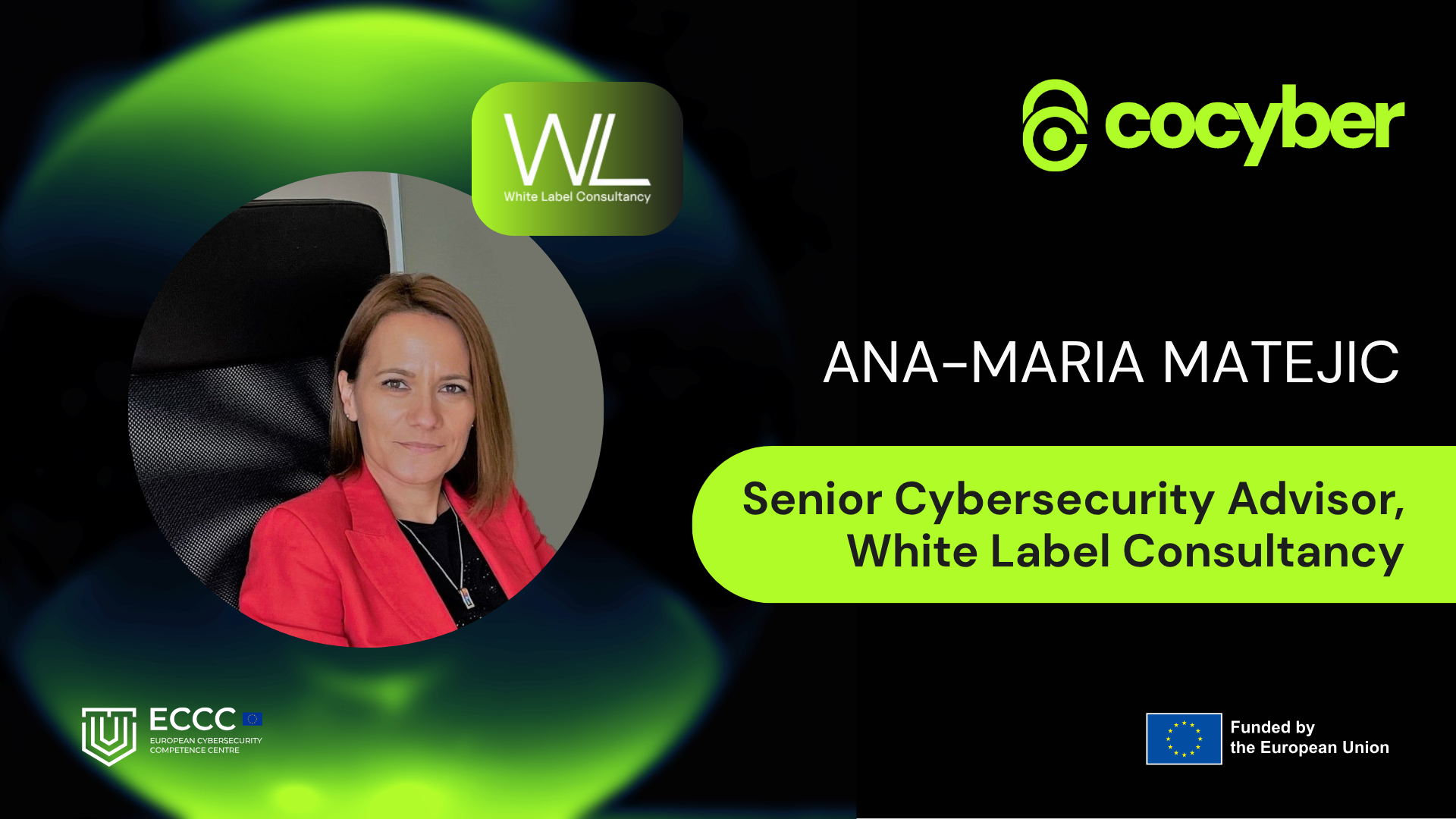
We spoke with the COcyber Batch #3 Ambassadors to reflect on their journey and gather their insights on Europe’s cybersecurity future. Ana-Maria Matejic brings expertise in cybersecurity transformation, capacity building, and the human factor in security, and values the ambassadorship for delivering concrete outcomes and fostering synergies between civilian and defence domains.
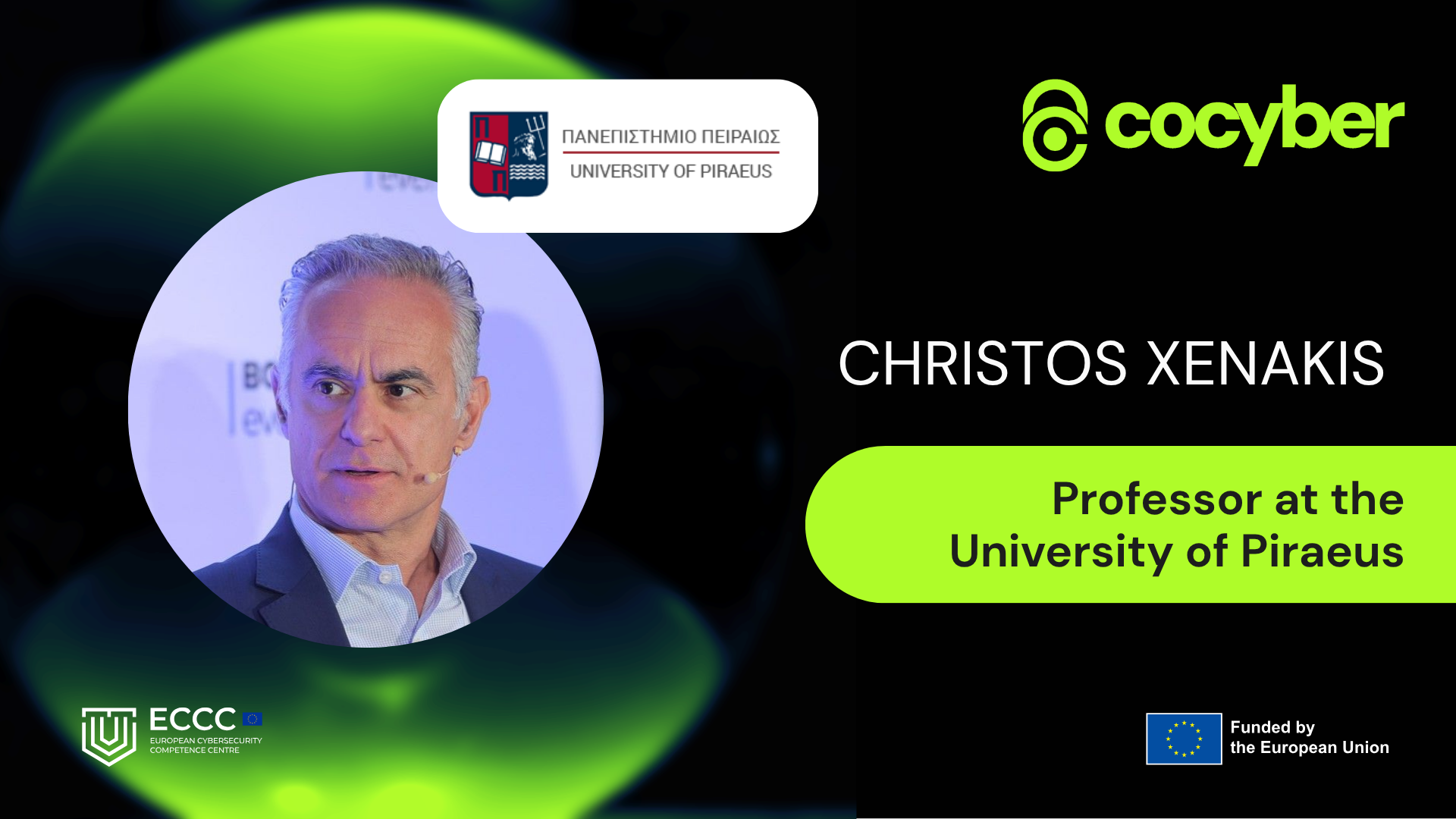
We spoke with the COcyber Batch #3 Ambassadors to reflect on their journey and gather their insights on Europe’s cybersecurity future. Christos Xenakis brings long-standing expertise in cybersecurity education, research, and competitive cybersecurity, and values the ambassadorship for supporting knowledge exchange, awareness raising, and stronger links between civilian and defence communities.