Content with the tag #cybersecurity

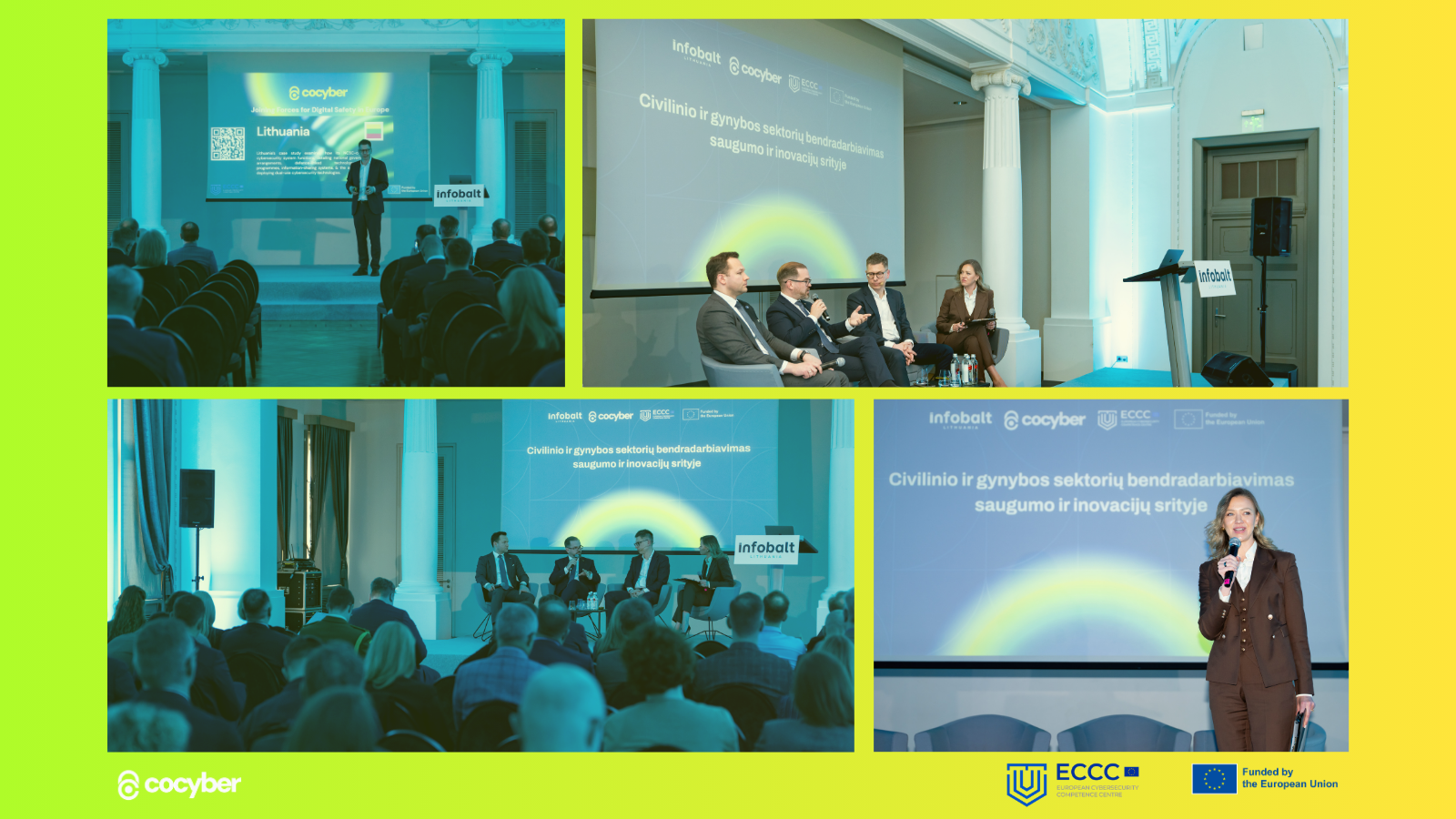
At our latest event on civil–defence cybersecurity cooperation, hosted by our partner INFOBALT, Lithuanian stakeholders explored how to strengthen collaboration through trust, information sharing, talent development, and dual-use innovation.
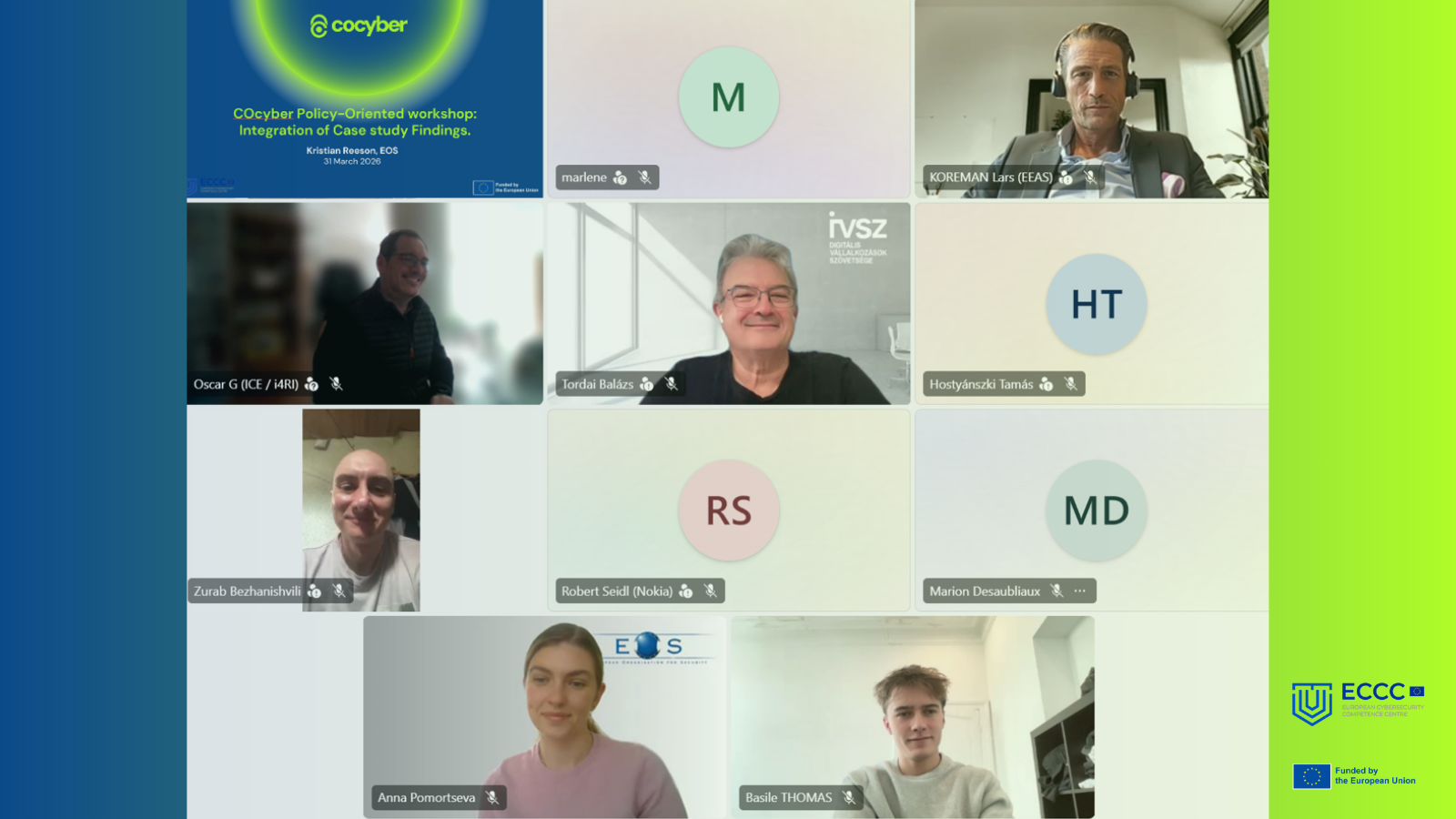
The second COcyber policy workshop explored how national case study findings can help shape stronger civilian–defence cybersecurity cooperation and future policy recommendations in Europe
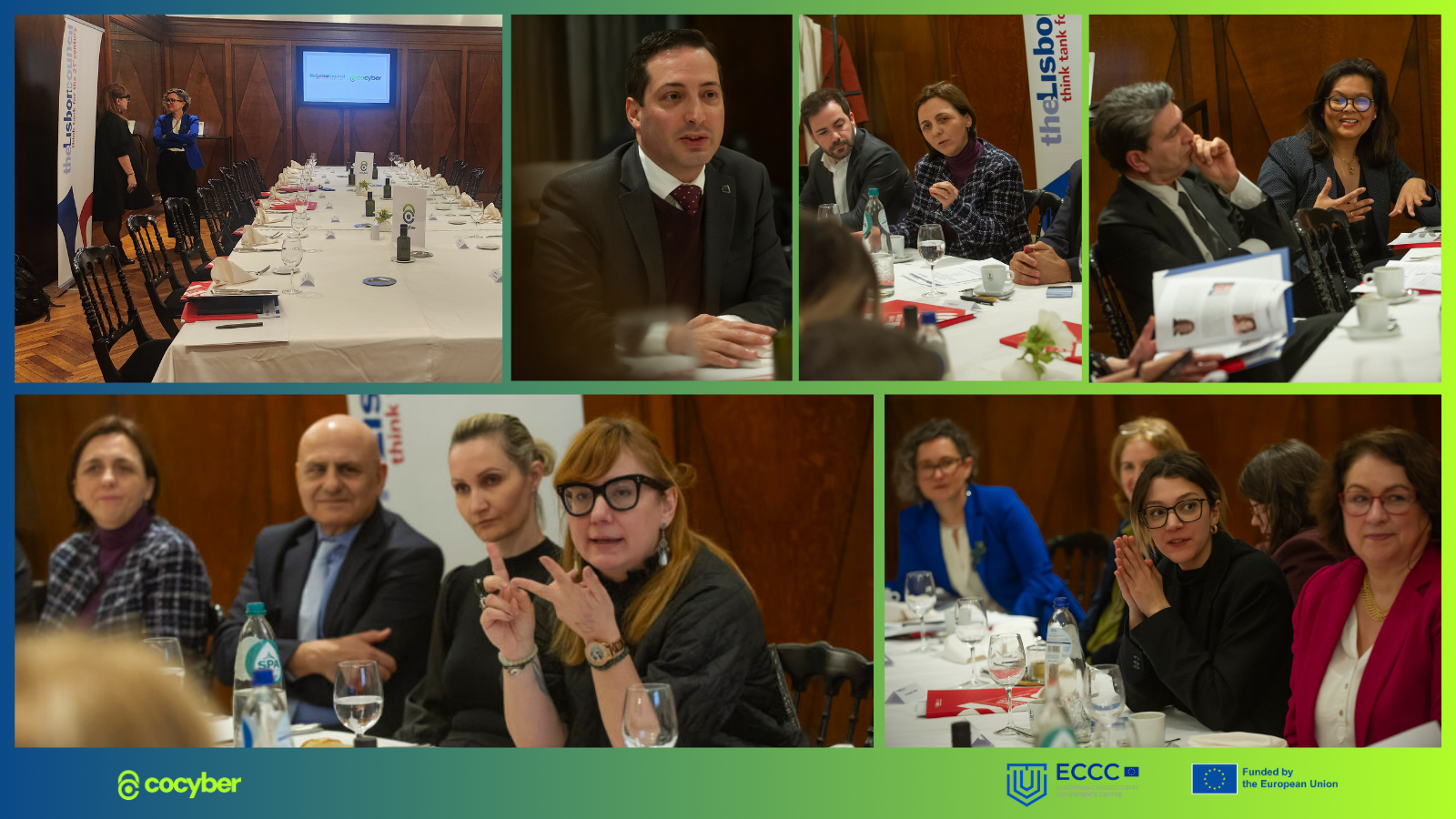
Cyber threats are increasingly cross-border and complex, making cooperation essential to Europe’s resilience. A high-level roundtable hosted by The Lisbon Council as part of the COcyber project explored how stronger collaboration, better-connected operational networks and more inclusive skills strategies can help turn national efforts into collective European capability.
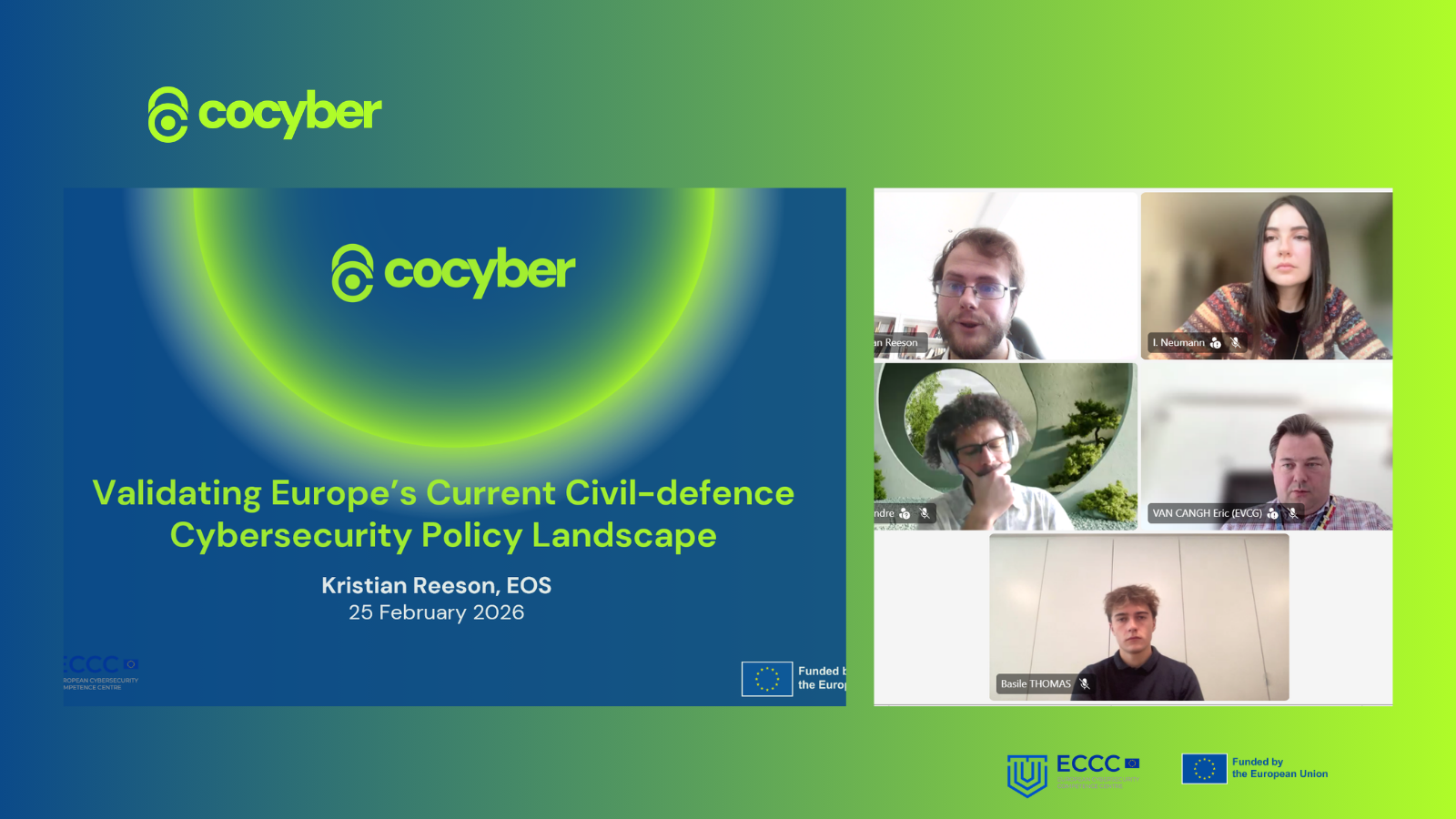
A COcyber policy-oriented workshop brought together stakeholders to validate the project’s review of Europe’s civilian–defence cybersecurity policy landscape and identify key gaps for future policy action. Insights from the discussion will inform the development of COcyber’s upcoming policy recommendations to strengthen civil–military cybersecurity cooperation across Europe.
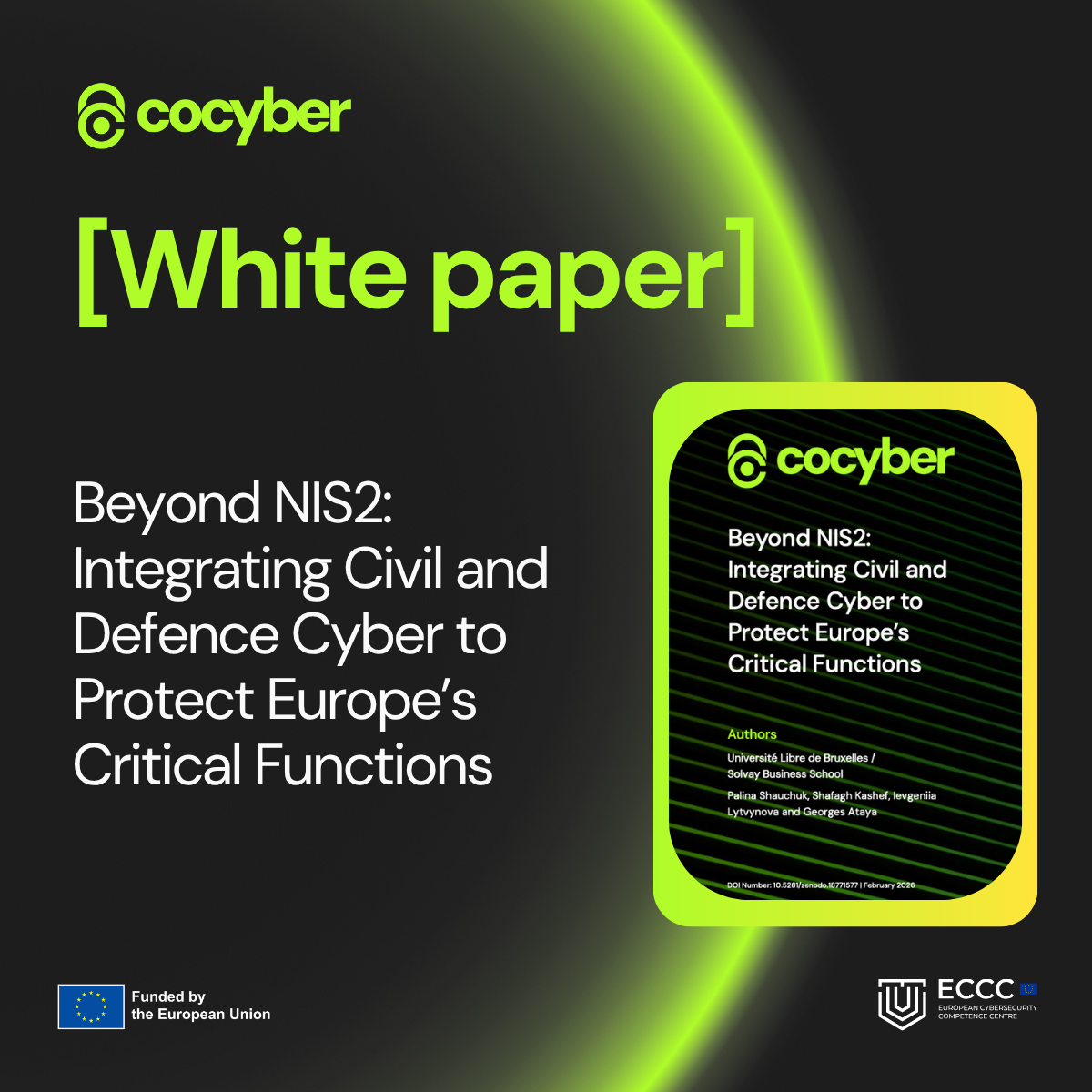
This COcyber white paper examines how cyber incidents increasingly spill across civilian and defence domains, showing where current responses fall short while outlining practical, coordinated measures to strengthen Europe’s ability to protect and recover the critical functions that depend on interconnected digital systems.
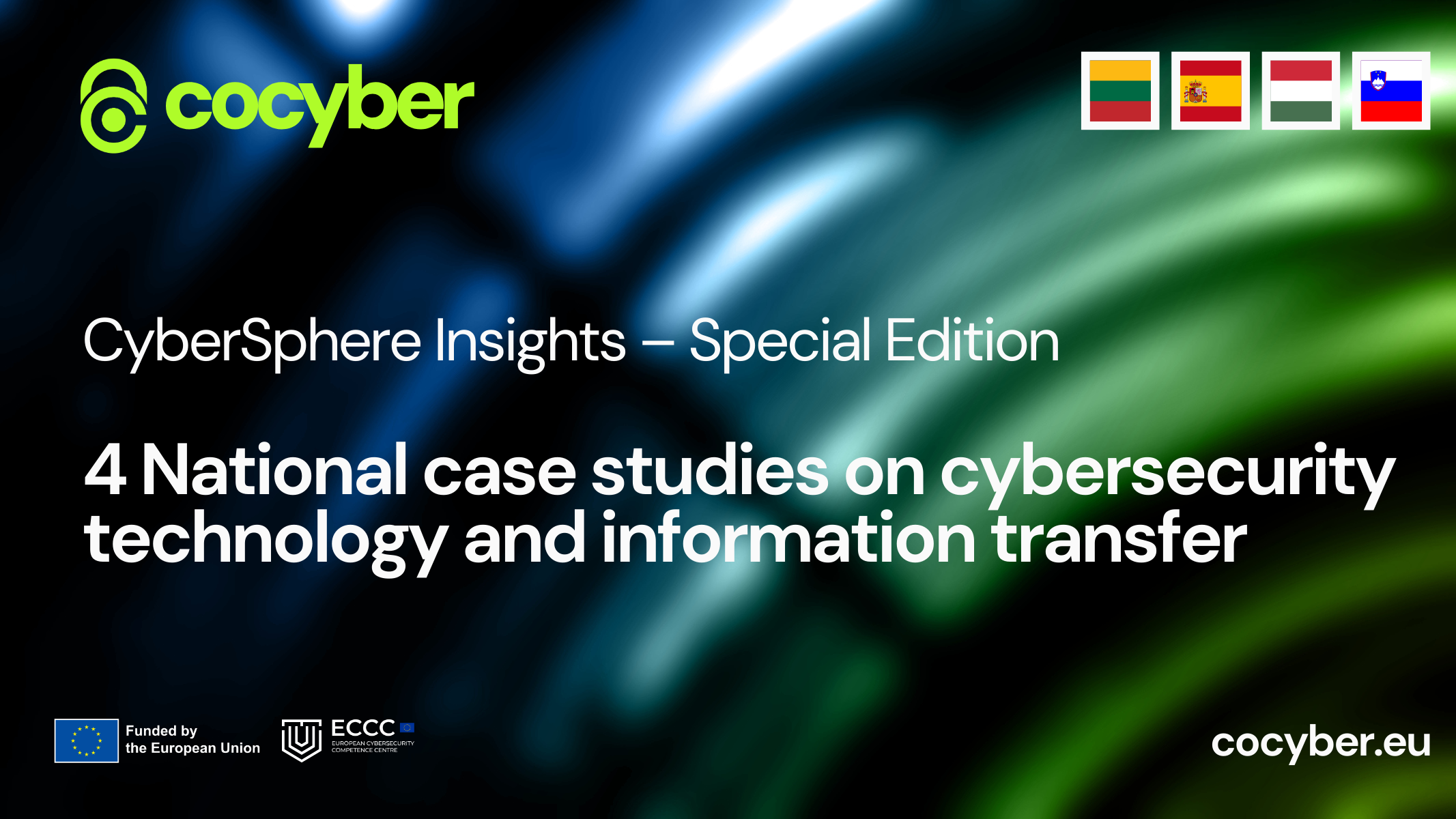
This Cybersphere Insights Special Edition presents findings from COcyber’s Deliverable D4.2 National Case Studies Booklet on Cybersecurity Technology and Information Transfer, offering a consolidated overview of the cybersecurity landscapes of Lithuania, Spain, Hungary, and Slovenia.
COcyber joined the ECYBRIDGE International Conference to contribute to the discussion on preparing Europe’s cybersecurity workforce. Professor Georges Ataya underlined the need for continuous education, the use of solid frameworks, and active involvement from decision makers to strengthen resilience.
We spoke with the COcyber Batch #2 Ambassadors to reflect on their journey and gather their insights on Europe’s cybersecurity future. Dr. Csaba Krasznay brings deep expertise in cybersecurity, cyber defence, and education, and values the ambassadorship for highlighting the urgent need to bridge civil–defence gaps and strengthen coordinated European resilience.
The Lisbon Council, in the framework of COcyber, convened a high-level working lunch in Brussels to assess Europe’s readiness for the accelerating quantum era. Experts from policy, cybersecurity, academia and industry discussed emerging risks and the urgent shift toward post-quantum security.
The National Cybersecurity Strategies (NCSS) Interactive Map by the European Union Agency for Cybersecurity (ENISA) provides an in-depth view of how EU Member States put their cybersecurity strategies into practice. Covering 31 countries, it highlights key objectives, implementation measures, and good practices. The platform promotes transparency, knowledge sharing, and stronger coordination across Europe’s cybersecurity landscape.