Content with the tag #cyberresilience

The EOS White paper argues that Europe's main challenge is no longer the lack of cybersecurity policies, but the difficulty of turning existing frameworks into cooperation, and provides a roadmap for strengthening cooperation between civilian and defence cybersecurity communities in Europe.
This AUSTRALO White Paper argues that closing the gap between policy ambition and real-world security outcomes requires treating awareness and communication as a strategic function. The paper examines why people are targeted and how social engineering exploits predictable patterns of trust, urgency, and authority to bypass even technically robust defences
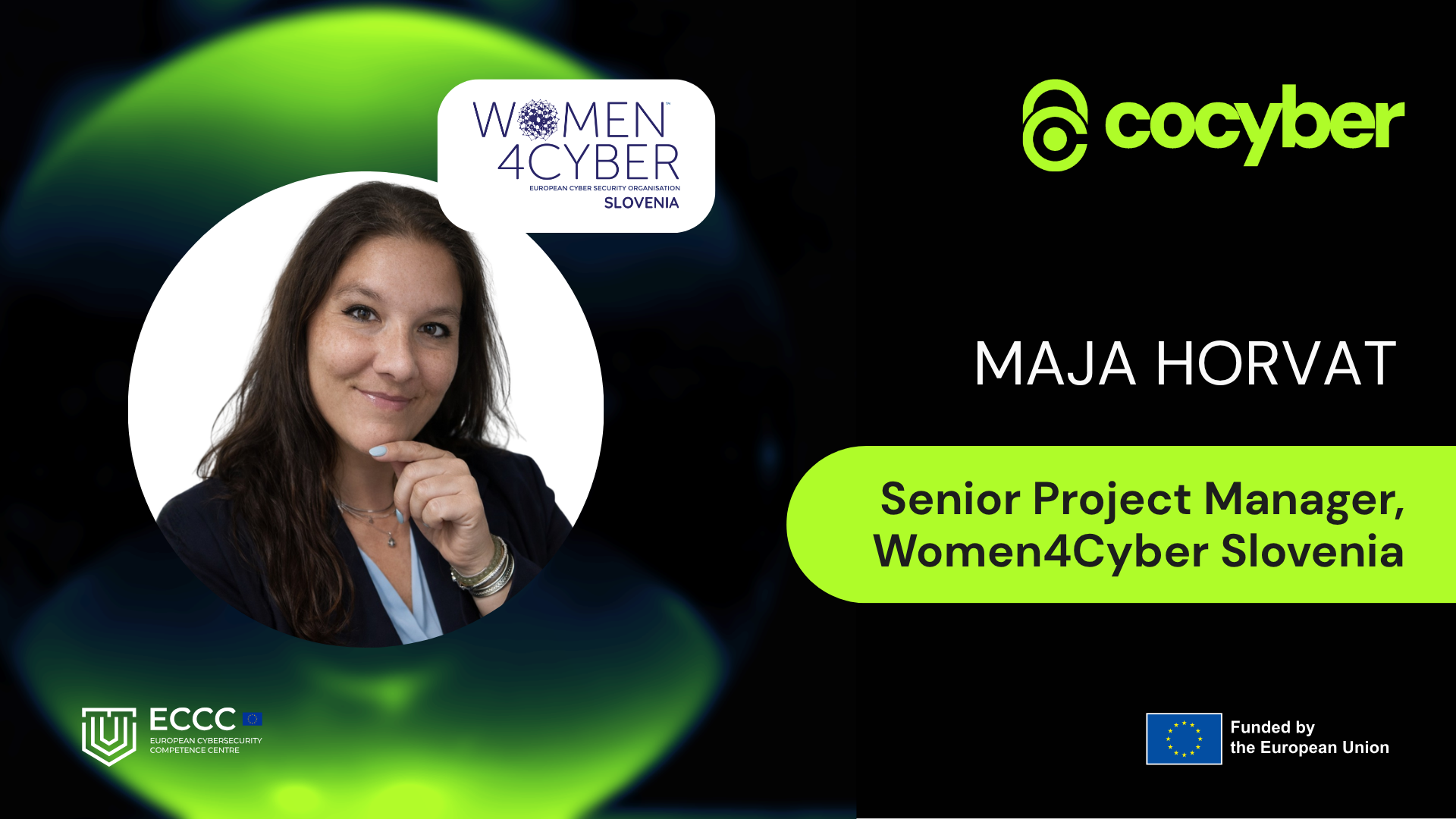
We spoke with the COcyber Batch #3 Ambassadors to reflect on their journey and gather their insights on Europe’s cybersecurity future. Maja Horvat brings expertise in cybersecurity, innovation ecosystems, and post-quantum cryptography, and values the ambassadorship for amplifying awareness and strengthening outreach through trusted professional networks.
The argument of the Slovenian White Paper is the difficulty of making government, industry, and academia work together, synthesising the findings of the national case study into a policy-oriented assessment of the country's cybersecurity ecosystem.
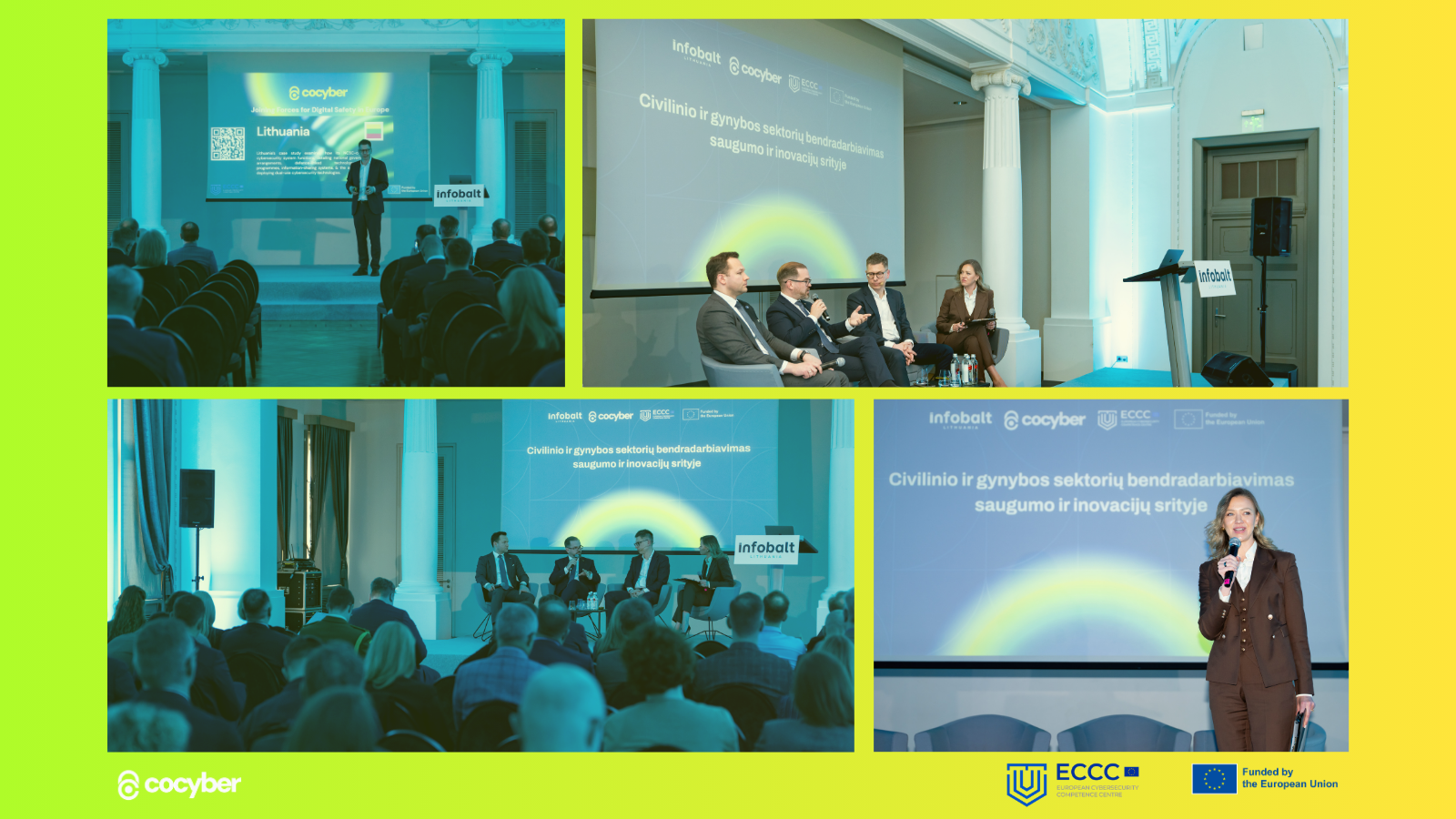
At our latest event on civil–defence cybersecurity cooperation, hosted by our partner INFOBALT, Lithuanian stakeholders explored how to strengthen collaboration through trust, information sharing, talent development, and dual-use innovation.
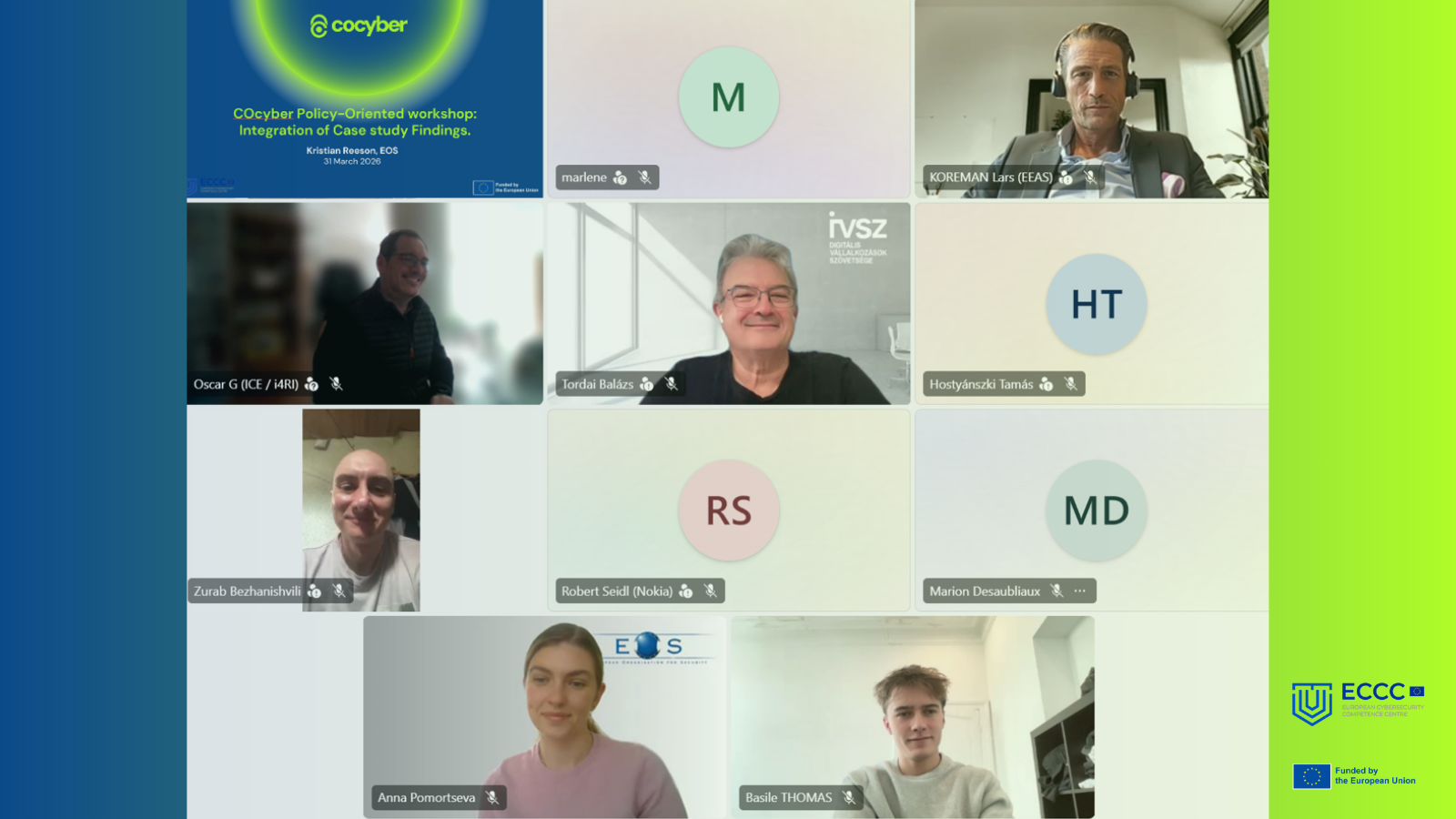
The second COcyber policy workshop explored how national case study findings can help shape stronger civilian–defence cybersecurity cooperation and future policy recommendations in Europe
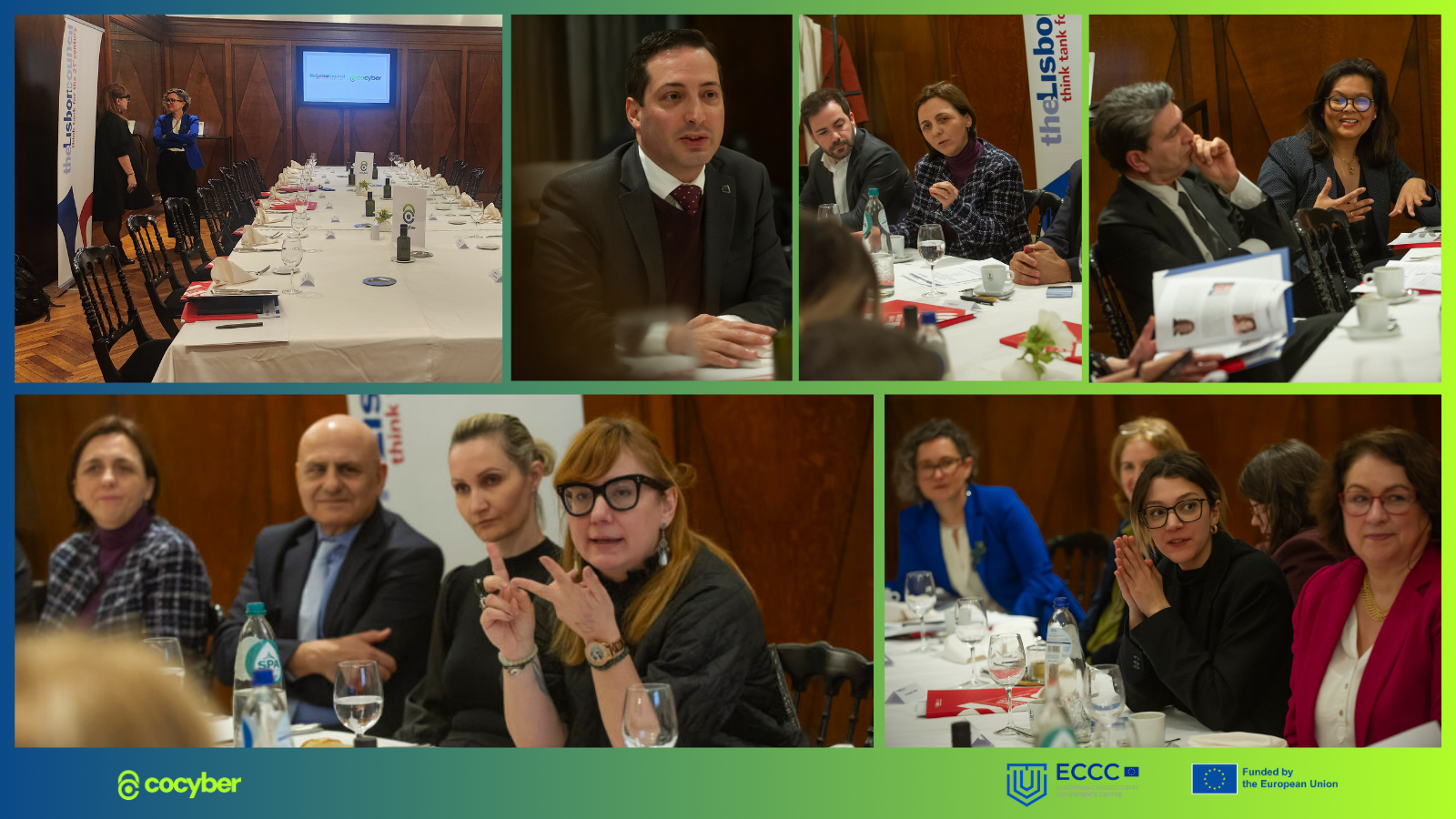
Cyber threats are increasingly cross-border and complex, making cooperation essential to Europe’s resilience. A high-level roundtable hosted by The Lisbon Council as part of the COcyber project explored how stronger collaboration, better-connected operational networks and more inclusive skills strategies can help turn national efforts into collective European capability.
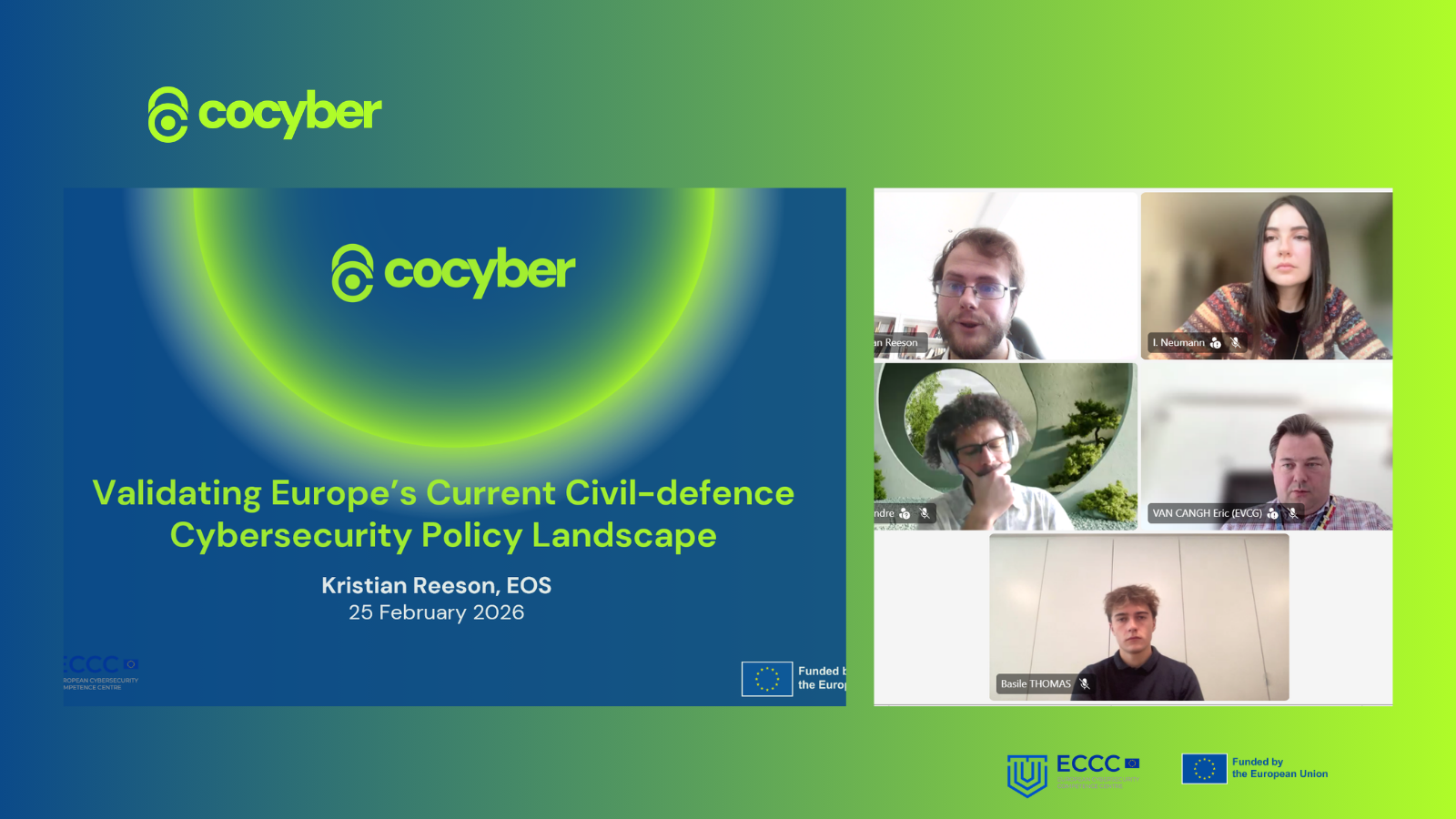
A COcyber policy-oriented workshop brought together stakeholders to validate the project’s review of Europe’s civilian–defence cybersecurity policy landscape and identify key gaps for future policy action. Insights from the discussion will inform the development of COcyber’s upcoming policy recommendations to strengthen civil–military cybersecurity cooperation across Europe.
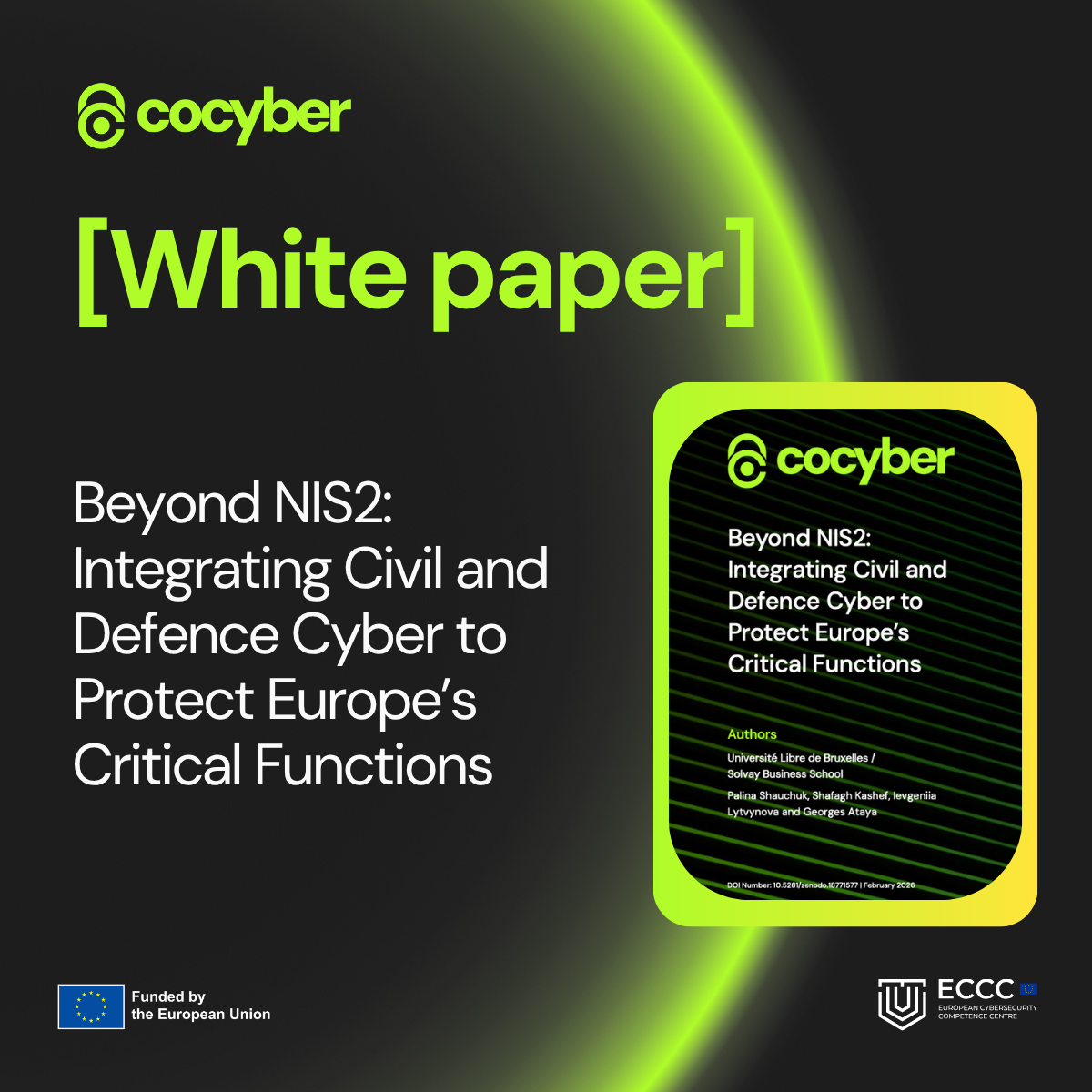
This COcyber white paper examines how cyber incidents increasingly spill across civilian and defence domains, showing where current responses fall short while outlining practical, coordinated measures to strengthen Europe’s ability to protect and recover the critical functions that depend on interconnected digital systems.
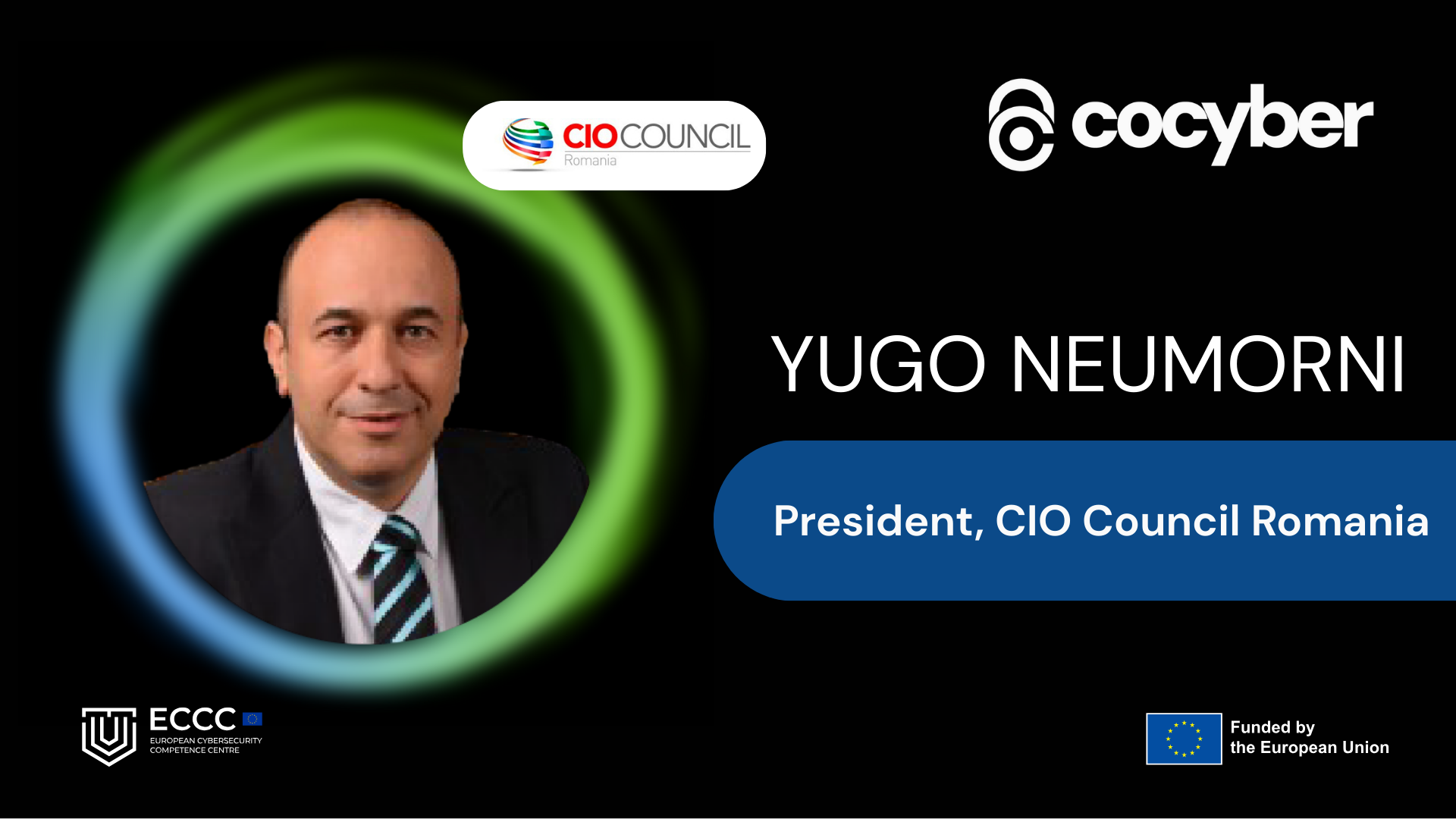
We spoke with the COcyber Batch #2 Ambassadors to reflect on their journey and gather their insights on Europe’s cybersecurity future. Yugo Neumorni brings long-standing leadership experience in digital transformation and cybersecurity governance, and values the ambassadorship for strengthening civil–defence cooperation, trust, and strategic alignment across Europe.