Strengthening Civil–Defence Collaboration: Lithuania’s Path to Cybersecurity
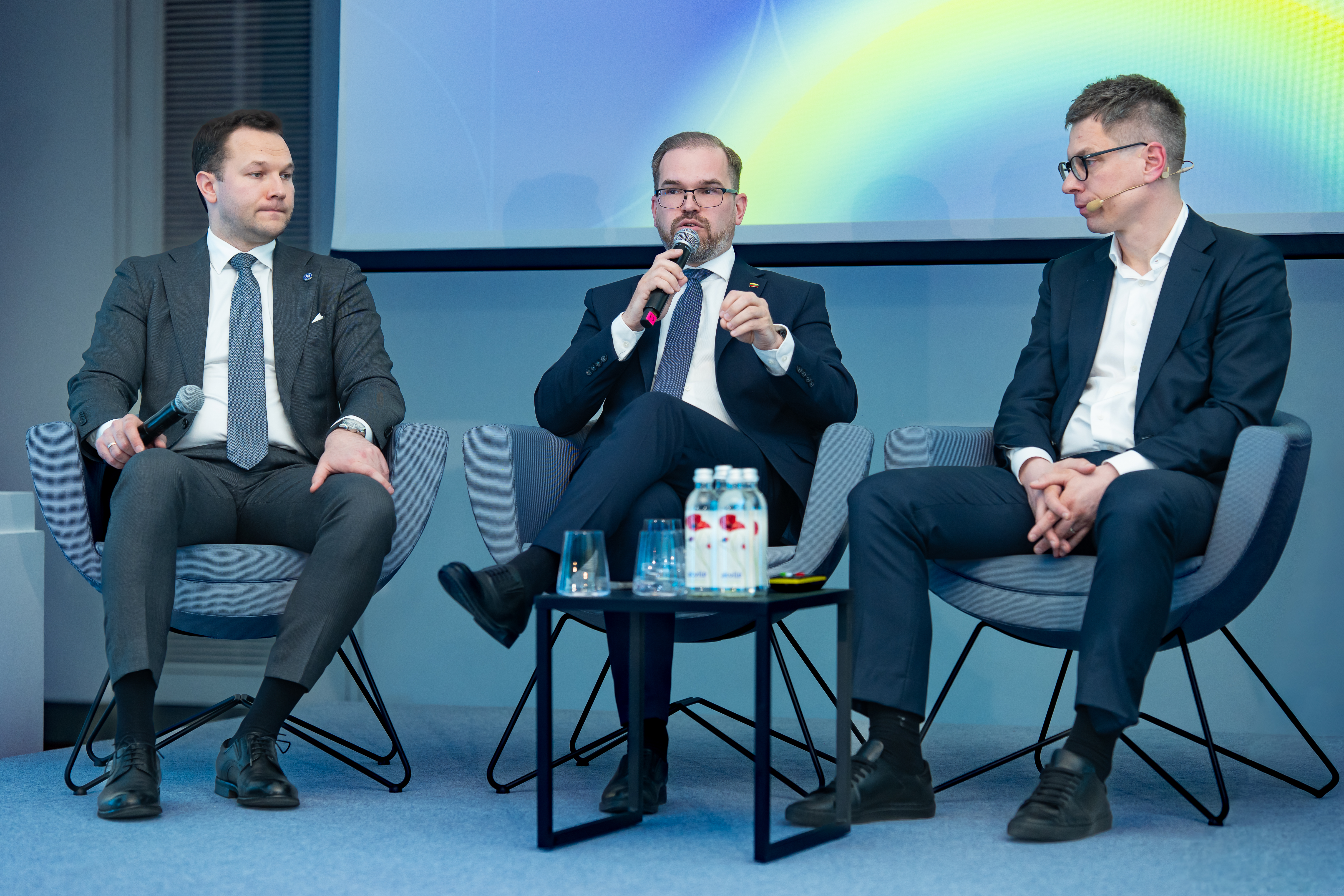
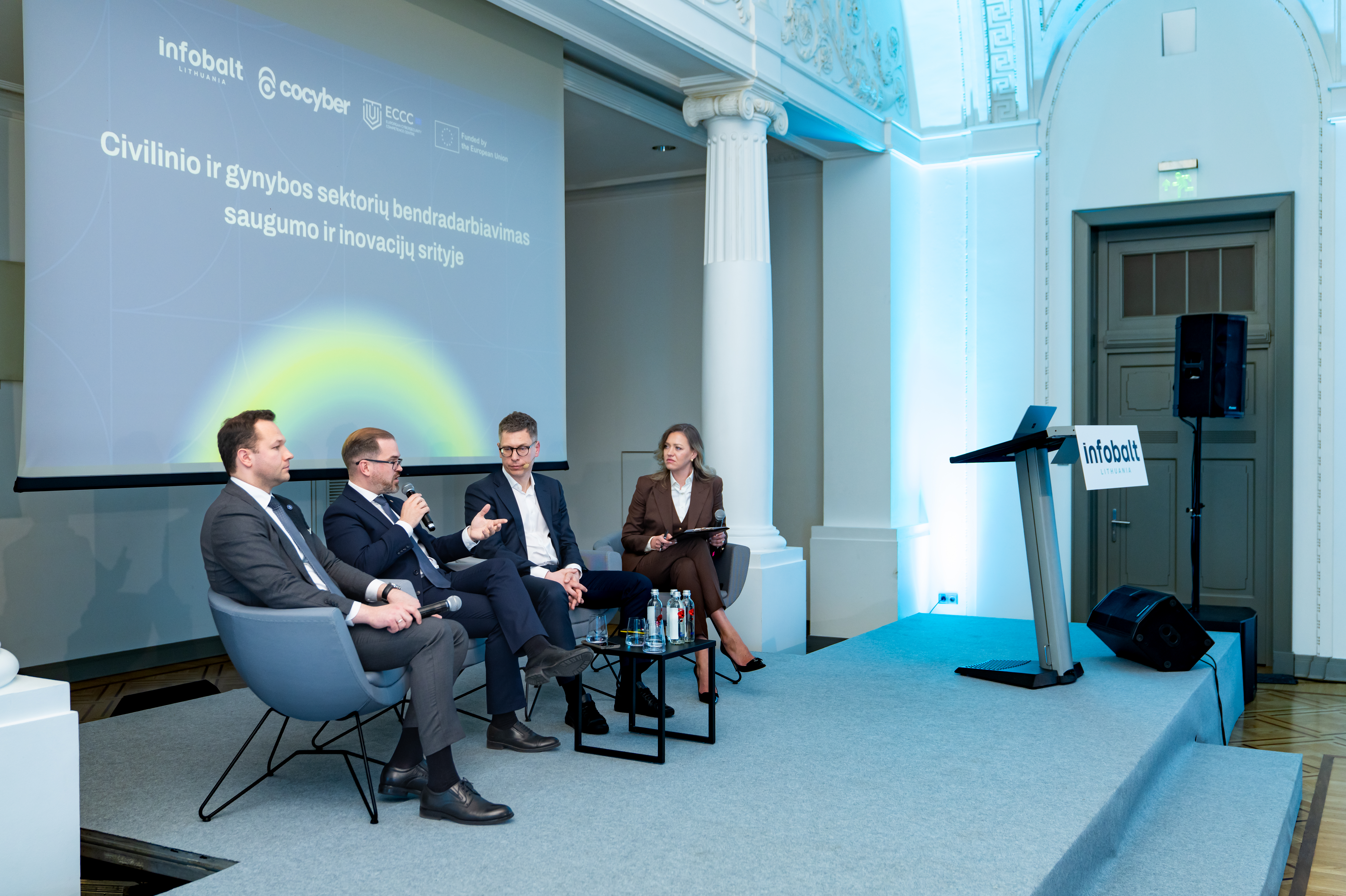
On April 13, 2026, our partner INFOBALT organised an event bringing together policymakers, industry leaders, cybersecurity experts, key government representatives, including the Ministers of Economy and Innovation and National Defence, alongside legal and technology experts, to assess Lithuania’s current position and identify concrete, actionable steps to enhance cross-sector cooperation.
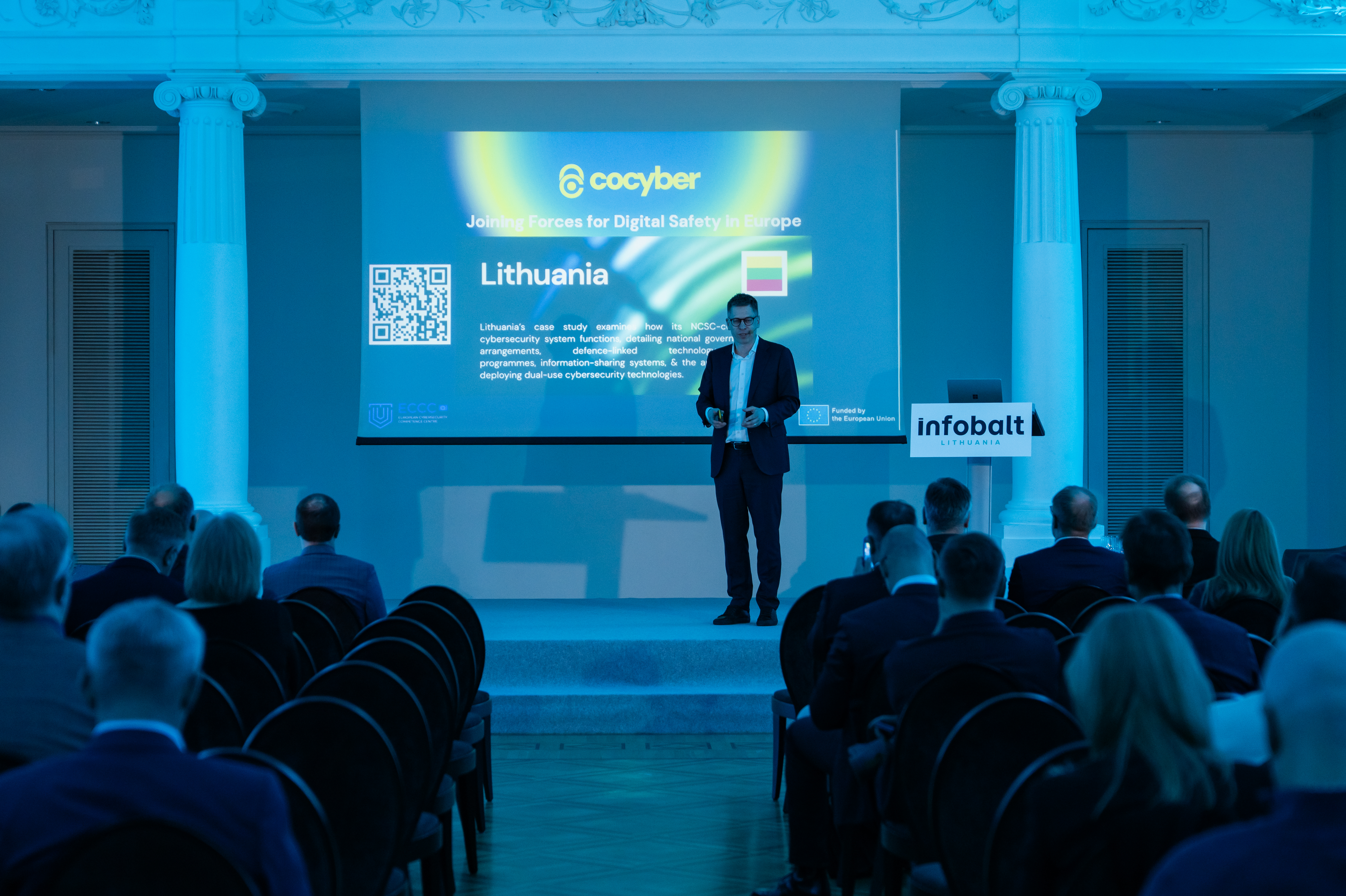
A Growing Ecosystem with Strong Foundations
Lithuania has made significant progress in building a resilient cybersecurity ecosystem. The country is advancing a three-pillar model: strengthening military cyber capabilities, enhancing the resilience of critical infrastructure and society, and deepening collective defence with international allies.
Recent initiatives reflect this momentum. The establishment of a Cyber Defence Team within the armed forces, increased involvement of private companies in defence innovation, and the launch of the ambitious “Vytis” program all signal Lithuania’s intention to become a regional hub for cybersecurity and defence technologies.
Institutional cooperation is also evolving. A trilateral agreement between key national stakeholders has created a foundation for more structured collaboration, helping to bridge gaps between government, military, and industry.
Key Challenges: Trust, Information Sharing, and Talent
Despite this progress, several structural challenges continue to limit the full potential of civil–defence collaboration.
Trust remains a critical barrier. Businesses highlight that unclear rules, limited partnership frameworks, and fragmented coordination reduce the effectiveness of joint initiatives and slow down technology transfer.
Information sharing also remains constrained. While mechanisms are in place, they are often limited by technical, legal, and organisational barriers. In practice, companies frequently rely on centralised systems, which restrict more flexible, peer-to-peer collaboration—particularly in sensitive sectors such as finance.
At the same time, the shortage of skilled cybersecurity professionals is becoming increasingly acute. The public sector is especially affected, as it struggles to compete with private sector remuneration and career opportunities.
A key takeaway from the discussion was that progress will require more than funding alone. Businesses emphasised the need for clearer regulatory frameworks, transparent certification processes, and stronger institutional support to build trust and enable more effective collaboration.

Emerging regulatory developments also need to be addressed proactively. In particular, the evolving EU framework on artificial intelligence raises new challenges for companies developing dual-use technologies, which must be able to operate effectively across both civilian and defence domains.
Looking ahead, both government and industry have a role to play. For businesses, this means more active engagement in joint initiatives and a stronger focus on scalable, dual-use solutions. For policymakers, it requires creating a predictable and enabling environment—through regulation, incentives, and better coordination across institutions.
As highlighted during the discussion, Lithuania’s relatively small market makes efficiency and alignment essential. Collaboration is therefore not only beneficial, it is a strategic necessity.
The discussion concluded with a clear message: Lithuania has strong foundations and real potential to become a leader in cybersecurity innovation. However, unlocking this potential will depend on building trust, improving coordination, and taking decisive, targeted action.
By aligning efforts across the civilian and defence sectors, Lithuania can develop a resilient and forward-looking cybersecurity ecosystem—one that strengthens both national and regional security.