Meet the COcyber Batch #3 Ambassadors
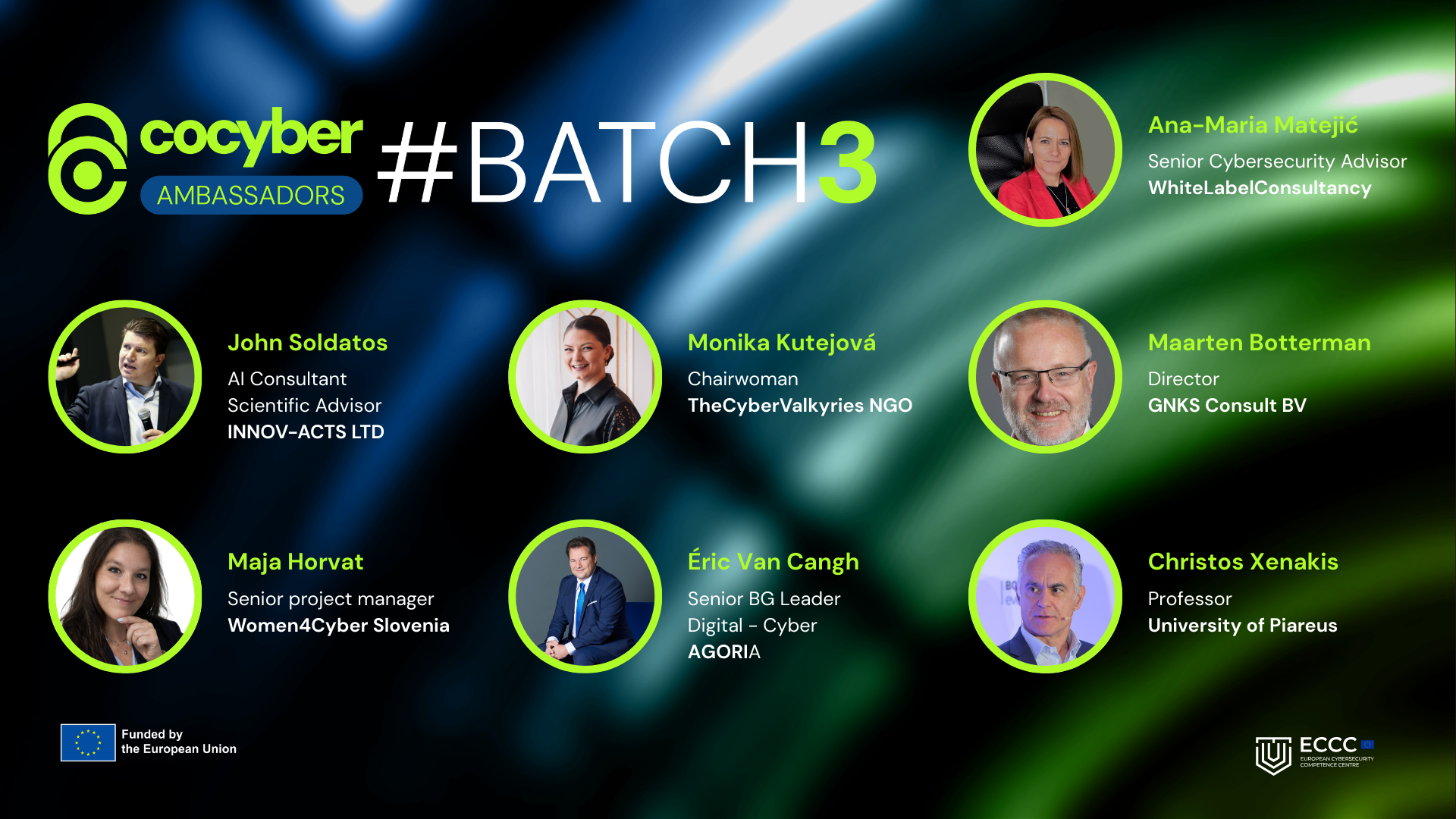
Cybersecurity remains one of Europe’s central priorities, demanding coordinated action between government, industry, and academia. As digital threats grow in complexity and scale, enhancing cooperation between civilian and defence communities becomes increasingly important. The COcyber Ambassador Programme supports this mission by connecting experts from across the cybersecurity ecosystem and amplifying their contributions to Europe’s digital resilience.
Now in its third edition, the programme brings together a new cohort of thought leaders dedicated to strengthening cybersecurity policy, practice and cross-border collaboration. Each ambassador will help disseminate COcyber’s objectives, support knowledge exchange, and link communities that too often operate in isolation.
Meet the Third Batch of COcyber Ambassadors
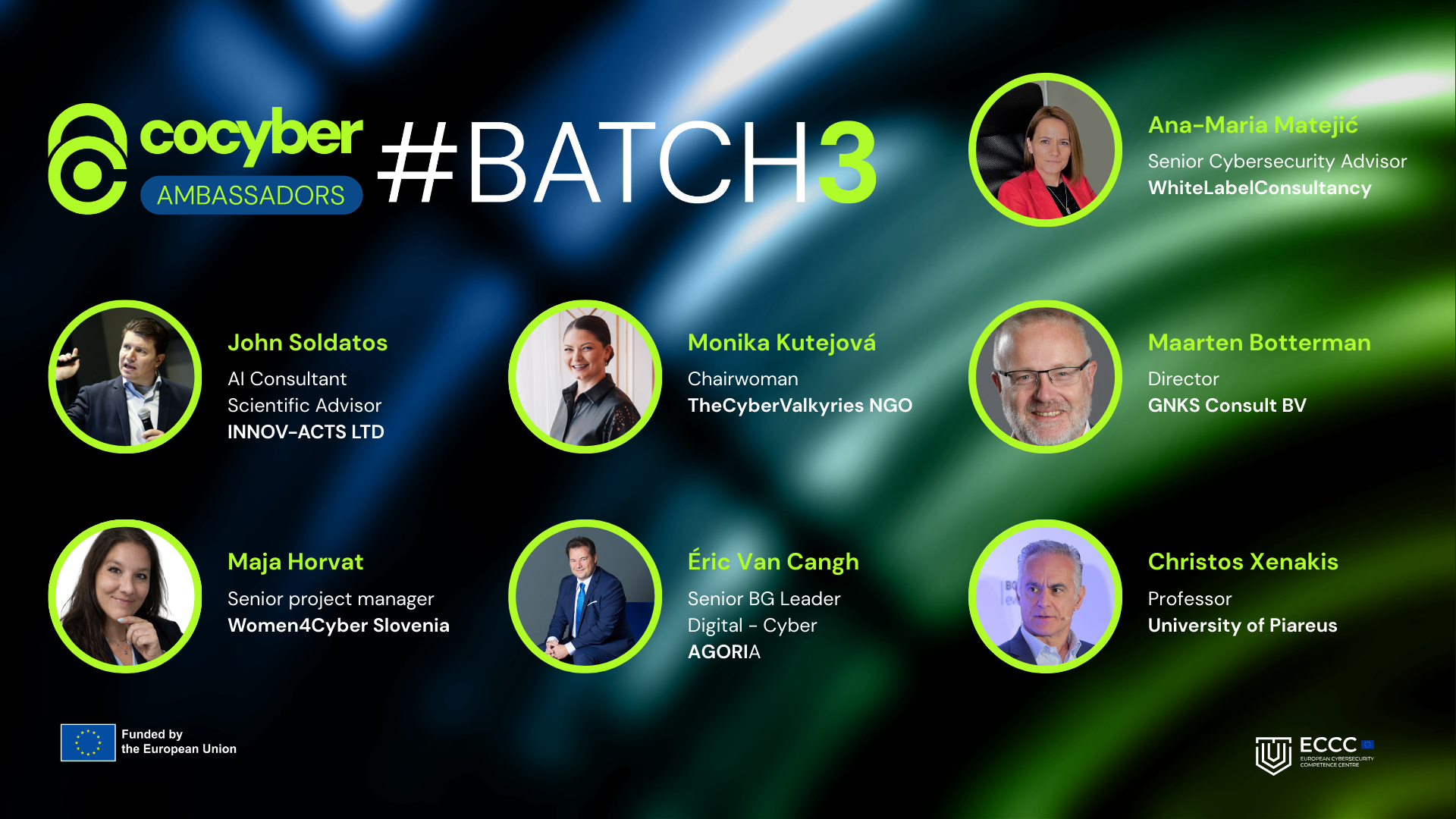
We are proud to present the third batch of ambassadors, onboarding COcyber from January to June 2026, consisting of distinguished cybersecurity professionals who embody expertise, innovation, and a shared commitment to strengthening Europe’s digital resilience. These seven experts represent multiple countries and sectors, including threat intelligence, AI and IoT security, Internet governance, capacity building, national CSIRT operations and community development

Ana-Maria Matejić is a senior cybersecurity advisor with 20 years of experience leading international cybersecurity programmes in telecom, space and defence industries. She specialises in translating complex security requirements into business-aligned strategies and emphasises the human factor as a driver of sustainable cyber resilience.

Maja Horvat is a senior project manager and ecosystem builder working in deep tech, entrepreneurship and cybersecurity. Formerly at Slovenia’s national CSIRT (SI-CERT), she has contributed to strengthening critical-infrastructure resilience and now supports European post-quantum security initiatives and Women4Cyber Slovenia.
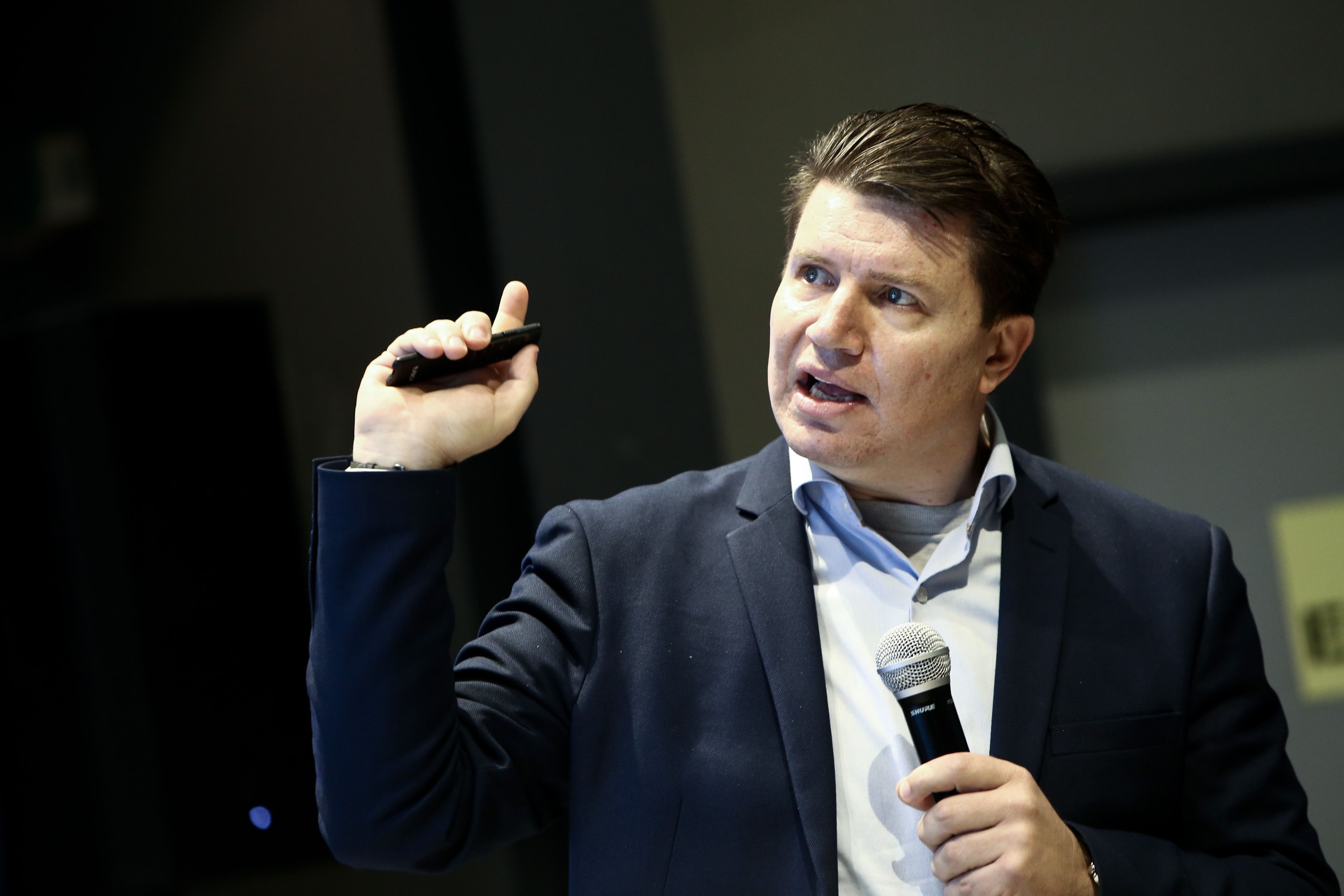 Dr. John Soldatos is an expert in IoT, AI and cybersecurity with extensive experience in European R&D. He has authored more than 220 publications, led major projects on critical-infrastructure protection and founded the European Cluster for Securing Critical Infrastructures, promoting cross-sector security innovation.

Éric Van Cangh is a cybersecurity leader focused on IT governance and national cyber resilience. He coordinates the Cyber Made in Belgium network, uniting more than 140 companies, and plays a key role in Belgian cyber-ecosystem cooperation, including civilian-defence engagement and cyber skills initiatives.

Maarten Botterman is a global Internet governance specialist with 25+ years of advising governments and organisations on digital policy, cybersecurity and emerging technologies. His work spans ICANN leadership, European Commission research, RAND Europe and global capacity-building within the GFCE.
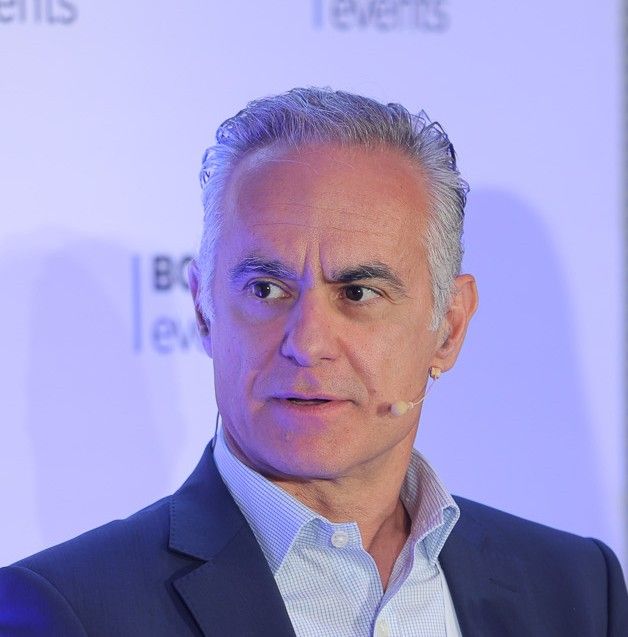
Professor Christos Xenakis is a leading academic in systems and network security, director of a long-running cybersecurity master’s programme, and coordinator of major European R&D projects. He also leads the Hellenic Cyber Security Team and supports national talent development through competitions and training.

Monika Kutejová is a cybersecurity professional and threat-intelligence analyst with experience in the Czech public sector and supply-chain security. She founded the Women in Cyber (ŽENY V KYBER) conference and works to improve intelligence-led defence and community engagement across Europe.
Your involvement in European cybersecurity
Across the third cohort, ambassadors have contributed to European cybersecurity through a wide spectrum of roles. Several have worked in national CSIRTs, government agencies, or public-sector institutions, strengthening operational readiness and critical-infrastructure protection. Others have held leadership positions in research and innovation programmes, participating in EU-funded initiatives focused on AI security, IoT, post-quantum cryptography, threat intelligence, and skills development. Many have built or led cybersecurity communities, including national Women4Cyber chapters, student competitions, international governance bodies and cross-border capacity-building networks.
Challenges in civilian and defence cybersecurity collaboration
Ambassadors repeatedly identified similar obstacles. The most prominent is the cultural gap between sectors: defence environments operate with higher secrecy and strict protocols, while civilian organisations emphasise transparency, compliance and business continuity. This mismatch complicates cooperation and slows joint action. Information-sharing barriers were also stressed, including classification constraints, fragmented national practices and limited trusted channels. Talent shortages and uneven capability maturity across Member States further weaken Europe’s ability to coordinate effectively. Technological fragmentation — with defence relying on specialised systems and civilian sectors on diverse commercial tools — adds another layer of difficulty, limiting interoperability and joint training.
Solutions for a Stronger European Cybersecurity Framework
Ambassadors collectively highlight the importance of aligning standards, improving governance clarity and expanding dual-use innovation that benefits both civilian and defence stakeholders. Building trust frameworks for information exchange is seen as critical, allowing relevant insights to circulate while protecting sensitive sources. Workforce development was raised by nearly all participants, including the need for cross-sector mobility, diversity, shared training programmes and joint cyber exercises. Increased investment in interoperable systems, coordinated R&D efforts and EU-level harmonisation would help reduce fragmentation. Community-driven initiatives, continuous education and stronger international cooperation are viewed as essential to long-term resilience.
What Ambassadors Expect from Their Role
The ambassadors view their role as an opportunity to amplify COcyber’s work, strengthen cooperation between civilian and defence organisations, and support broader engagement across Europe. Many intend to share project results through talks, publications, community events and social media, helping ensure COcyber’s findings reach practitioners, policymakers and underrepresented groups. Several emphasised their commitment to mentoring and skills development, while others aim to leverage their networks to connect stakeholders across countries and sectors. A recurring expectation is to help translate complex cybersecurity issues into accessible insights that promote collaboration and reinforce Europe’s digital resilience.